Kalp Foundation and The Gambia Partner to Build Blockchain-Powered Digital Public Infrastructure The Kalp Foundation has announced a transformative partnership with The Gambia aimed at developing a blockchain-powered digital public infrastructure (DPI) platform, dubbed Gambia One. This collaboration marks the first of its kind globally, as the Kalp Foundation takes a leading role in shaping a future where inclusive growth, powered by blockchain technology, can reach every corner of society.
At the heart of this partnership is Gambia One, a revolutionary application that leverages the advanced capabilities of Kalp Blockchain to enable secure data exchange, digitise critical services, and streamline government operations. But this is more than just a technological project—it represents an inclusive development initiative designed to bridge the digital divide and empower underserved communities in The Gambia, a country with a rich history but one that faces significant challenges in terms of infrastructure and digital access. The Gambia, like many nations in Africa and around the world, has struggled with connectivity and access to essential services for its citizens, particularly those in rural and remote areas. This initiative is expected to deliver real-time solutions that improve public service delivery, increase transparency, and create a more inclusive digital ecosystem. By leveraging blockchain’s decentralised nature, Gambia One will ensure secure, tamper-proof data, ultimately helping to build trust between the government and its citizens.
Tapan Sangal, the founder and director of the Kalp Foundation, expressed immense pride in this historic partnership, highlighting the organisation’s long-standing commitment to using blockchain technology for positive social change. “We are deeply honoured to collaborate with The Gambia in its journey towards becoming a future-ready nation powered by a robust blockchain-driven digital ecosystem. This initiative showcases Kalp Foundation’s dedication to delivering scalable, compliant, and transparent solutions that empower governments to modernise their processes, improve citizen services, and drive equitable growth,” Sangal said. What makes this collaboration especially noteworthy is its focus on capacity building and skilling initiatives. The Kalp Foundation isn’t just helping The Gambia build the infrastructure needed for digital transformation; it’s also equipping the nation’s leadership and youth with the tools they need to thrive in the emerging blockchain economy. Skilling programmes will train young Gambians in blockchain and related technologies, providing them with the expertise required to support and further develop the nation’s digital ecosystem.
The Gambia’s Minister of Communications and Digital Economy, Hon Lamin Jabbi, warmly welcomed the partnership, praising Kalp Foundation’s vision and expertise in fostering a digitally inclusive ecosystem. “Together, we will harness the power of blockchain-enabled DPI to deliver innovative, citizen-centric solutions that align with global standards of trust, transparency, and accountability. This initiative is a testament to our commitment to building a brighter, more inclusive future for our nation,” he said. Hassan M. Jallow, Permanent Secretary at the Ministry of Communications and Digital Economy, also commented on the significance of the project. He noted that the partnership with Kalp Foundation represents a monumental step forward in the Gambia’s digital transformation. “By leveraging Kalp Blockchain’s groundbreaking technology, we are setting a benchmark for how nations can unlock their full potential through innovation and collaboration,” said Jallow.
This partnership is not just about one country—it’s about setting a global precedent for how blockchain technology can be used to empower nations and create sustainable growth. Kalp Foundation has ambitious plans to scale this model beyond The Gambia, with multiple partnerships in the pipeline aimed at transforming the digital landscape in other countries, especially those with large underserved populations. This project aligns with The Gambia’s long-term vision of becoming a future-ready nation, with a thriving digital ecosystem that can provide more equitable access to services, education, and financial opportunities for all of its citizens. It is also in line with global efforts to use technology as a tool for economic development and social empowerment, bridging gaps in infrastructure and opportunity.
The Gambia One platform, with its emphasis on inclusivity, transparency, and compliance, is poised to play a pivotal role in the nation’s digital future. The collaboration with Kalp Foundation will help The Gambia unlock new opportunities for growth, technological innovation, and a more connected society. This initiative not only promises to change the lives of Gambians but also sets the stage for blockchain technology to become a central tool in driving sustainable development worldwide. As Kalp Foundation continues its mission to transform the digital landscape, this partnership with The Gambia stands as a testament to the power of technology to change lives. It’s a clear example of how innovation can be harnessed to create a more equitable and sustainable future for all.
Web 2.0, as it’s known, introduced us to social media networks like Facebook and MySpace and platforms like YouTube that empowered everyday internet users to easily publish their content.
However, behind these exciting smartphone apps, embedded videos, and user-centric platforms, carefully constructed corporate frameworks tracked, analyzed, and monetized every user interaction.
Most of us already know about this manipulation and the threat of having our private data sold and potentially leaked to the public.
A more under-discussed legacy of Web 2.0 is the mental health implications of doomsday scrolling and the complex algorithms behind this construct that cause severe mental strain on many of us. Web 2.0’s dark side
The Web 2.0 model isn’t all bad. Targeted ads allow users to discover products and services that provide tangible benefits to their lives.
However, in most jurisdictions, internet users don’t have an opt-in option for how and who uses their private data.
Even after the EU implemented the GDPR (General Data Protection Regulation) in 2018 to protect individual online rights and privacy, insiders believe relevant violations are prevalent at most tech companies.
In addition to complex algorithms that provoke emotional reactions that lead to scrolling addictions and mental burnout, state-sponsored and non-state actors actively manipulate newsfeeds with bots spewing propaganda.
Between the over-bombardment of ads, provocative content, and the blurring of real and fake and intentionally confusing interfaces, the average internet user suffers from ‘information chaos,’ which can lead to stress and anxiety for many.
While social scientists and academics have documented the impact of social media on mental health, little is being done to address information chaos and the burden of Web 2.0’s intense emotional aftertaste.
However, these factors continually result in chronic fatigue, depression and social isolation – contributing to a decline in overall quality of life.
Constantly waiting for content to load, slow response times on technical support and the mind-numbing toxicity of endless social media scrolling rob users of valuable time and energy that could be spent more productively or enjoyably.
Micro-stresses – which people probably don’t notice while online – can accumulate and lead to serious psychological and physical problems.
In some circumstances, this manifests similarly to effects caused by alcohol and drugs.
Since Web 2.0 works in opposition to the user’s best interest and in favor of Big Tech and other corporations, a fundamental change in how internet technologies are designed and implemented is desperately needed.
The introduction of blockchain technology and smart contracts added an element of decentralization that counters Big Tech power, ushering in the Web 3.0 era, using a token-based economy to incentivize participation.
While blockchain and Web 3.0 have achieved a lot, it may not be enough to compete with the Web 2.0 structure. Blockchain plus AI equals Web 4.0
Web 3.0 does, however, provide an important building block for those advocating for an internet that puts user interests before corporate profit margins.
‘Web4’ aims to empower the user by relieving Web 2.0’s cognitive overload and mental burdens that leave a negative emotional impression.
Web 4.0 represents the natural progression of the internet – a developer-led revolution combining blockchain technology and smart contracts with powerful AI and AGI (artificial general intelligence) to improve user interactions with digital services.
With blockchain’s ability to facilitate secure data ownership and communication alongside diverse and rapidly advancing AI capabilities, Web 4.0 will free users from routine tasks while minimizing the stress factors associated with Web 2.0.
At the heart of this transformation is a global AI layer as the basis for Web 4.0, which will operate as a truly decentralized and open-source ecosystem where users have convenient access to a range of services and applications, creating a single integrated solution.
Access to Web 4.0 platforms, services or applications hinges on adhering to the ‘three seconds or three clicks’ principle ensuring any access to information or a task receives maximum efficiency.
Thanks to optimized AI-powered interfaces capable of anticipating a user’s needs, this principle ensures all services and applications within the Web 4.0 ecosystem are delivered fast without information overload.
By building off of Web 3.0’s decentralized principles and capabilities – which provide trust instead of centralization – and infusing it with advanced AI systems, Web 4.0 offers the promise of making our lives more efficient and less stressful.
Web 4.0 allows us to reimagine social media platforms that will only be able to operate if they eliminate intrusive ads, and excessive notifications and provide streamlined access to necessary information.
This vision offers users a new communication standard that doesn’t make them feel like they are in the middle of a corporate competition.
The overarching theme behind the Web 4.0 movement is building a human-centric online environment where any participating service must adhere to the principles of transparency, honesty, speed and stress minimization.
Decentralized development of ethical AI models and tools ensures safety and transparency, allowing a new internet paradigm to take shape.
By not only making information more accessible and tedious tasks easier to accomplish, Web 4.0 provides users with a faster, safer and more transparent source for internet interactions.
Web 4.0 envisions an internet where decentralization is achieved not only through blockchain but also through the integration of AI agents capable of performing specific, targeted tasks efficiently and without unnecessary overload or spam.
These intelligent agents will act as personalized assistants, seamlessly handling routine activities while ensuring a streamlined and stress-free experience for users.
This approach eliminates the intrusive and chaotic nature of traditional Web 2.0 systems, offering a cleaner, more purposeful interaction that respects user preferences and time.
Bringing about a true transition to Web 4.0 will prove difficult and may take time, but the growing synergies between blockchain, smart contracts and rapidly advancing AI tools offer hope.
Communicating and advocating for this user-centric technology will put pressure on Big Tech and governments to address the problems of Web 2.0, providing the necessary momentum to fuel a real Web 4.0 revolution. Peter Ionov is the CEO and founder of GT Protocol. He is a Ukrainian entrepreneur, engineer and inventor who leads and runs several other companies including Robosoft and Ukr Reklama. Peter is paving the way in Web 4.0, robotics and AI.
The study was structured to investigate the impact of technological factors on the effectiveness of enterprise resource planning (ERP) in Jordanian industrial firms, using a descriptive-analytical approach. This study also examines company size as a moderator variable, which has been measured using the logarithm of total assets extracted from each firm’s annual report. The study’s target population consisted of all Jordanian industrial firms listed on the Amman Stock Exchange, totaling 55 firms. Managers participated as respondents, with 220 questionnaires distributed electronically, averaging four questionnaires per company. After data collection, 92 valid questionnaires were used for statistical analysis. The findings indicate a significant and positive relationship between technological factors (such as ease of use, perceived usefulness, and digital proficiency) and ERP system effectiveness in Jordanian industrial firms. However, the study revealed that trust, as one of the technological factors, did not significantly impact ERP system efficiency. Additionally, it was found that the moderating role of company size moderates positively the relationship between two technological factors (i.e., perceived usefulness and digital proficiency), and ERP system efficiency. The research suggests that industrial firms in Jordan should take into account technological factors, including factors like ease of use, perceived usefulness, and digital proficiency, to remain current with advancements that can improve the efficiency of ERP systems. This is important due to the positive influence it can have on the operational effectiveness of Jordanian industrial companies, aiding them in their planning and decision-making processes.
The present century is marked by significant challenges that organizations face, both in terms of quantity and quality (Almaiah et al., 2022a; Alshirah et al., 2020; Daviy, 2023). These challenges encompass the rapid evolution of information systems and information and communications technology (Lutfi et al., 2022a), the globalization of markets, the expanding influence of the knowledge-based economy, heightened competition, the surge in mergers, and collaborative ventures among organizations (Saad et al., 2022). In response to these challenges, organizations must adopt a clear vision to navigate and thrive in this dynamic landscape (Almaiah et al., 2022b; Alsharif et al., 2024). The future demands the ability to identify opportunities, seize them, and discern and mitigate potential threats and risks (AlQudah et al., 2022; Alshirah et al., 2021a; Lutfi et al., 2023). Consequently, many firms have been prompted to explore swift and effective solutions that foster success and sustainability, foster business development, enhance adaptability to their surroundings and equip them to compete effectively against other firms, whether within their respective industries or in supportive roles (Almaiah et al., 2022c; Almajali et al., 2022). These solutions aim to create new advantages through speed, precision, and the harmonious integration of the company’s systems (AlQudah, 2015; Lutfi, 2021). In light of these challenges, the concept of an enterprise resource planning (ERP) system has emerged (Zamzeer et al., 2020; Abu Afifa, Saleh & Vo Van, 2023).
The ERP system can be described as a collection of interconnected subsystems that encompass accounting information systems and management information systems (Lutfi, 2021. Essentially, it represents an integrated framework that combines both financial and non-financial processes to attain specific objectives for businesses (Daviy, 2023). Its primary aims are cost reduction and the facilitation of streamlined communication with the various branches of the company (Zamzeer et al., 2020; Alqudah et al., 2024; Jaradat, Shbail & Baker, 2022). The integrated ERP system relies on information technology and is characterized by the seamless integration of four core dimensions: accounting and finance, sales and marketing, manufacturing and production, and human resources (Saad et al., 2022). As a result, the ERP system is recognized as an information system that encompasses all aspects of an organization’s operations, spanning from raw material procurement to post-sales activities (Almajali et al., 2022).
Therefore, using ERP systems effectively and efficiently has resulted in significant benefits such as reduced inventory levels, speed in exchanging transactions, better financial management, improved supply chain, reduced transportation and logistics costs, improved level of responsiveness to customers, increased flexibility, increased productivity, and making tacit knowledge explicit (Lutfi, 2021). Nevertheless, for organizations to achieve the intended advantages of the resource planning system, it is imperative that they meticulously strategize the system’s implementation. Numerous projects have faced delays as a result of requiring extra funding due to inadequate budget allocation for the implementation process. Hence, it is essential to comprehend the factors that could potentially give rise to issues that hinder the efficient application of the ERP system. As a new technology, the ERP systems are affected by several technological factors, that may enhance or decrease the efficiency of ERP systems.
The technological factors include ease of use, dependability, perceived value, and digital expertise, which have a pivotal role in the efficiency of technology. Ease of use refers to how individuals perceive the simplicity of employing a specific technology. When technology is perceived as user-friendly, it fosters a higher level of enthusiasm for adoption. The perceived usefulness of software significantly influences its adoption (Alqudah, 2024; Lutfi et al., 2022c). Trust in the utilization of technology is contingent on users feeling secure with the technology and their capacity to validate the actions of other active Internet participants (Almaiah et al., 2022d). Lastly, the digital proficiency of employees in employing such technology is a vital consideration, and it falls within the purview of senior management (Daviy, 2023). It is the responsibility of top management to provide employees with the necessary education and training on the proper utilization of information systems and the associated methods (Almajali et al., 2022). Besides, the efficiency of an ERP system is linked to the size of the company; not all firms can afford the cost of implementing an ERP system. Larger firms typically have the financial resources to provide training to their employees for new technologies (Egdair, Rajemi & Nadarajan, 2015; Lutfi, 2020).
In the context of the Jordanian industrial sector, implementing an (ERP) system in Jordanian companies is considered an important part of the business management strategy. The ERP system aims to integrate and unify the company’s various operations into one system to improve efficiency and make better decisions (Noureddine, 2021). However, implementing the ERP system in Jordanian industrial companies has faced several challenges. The high Cost of Implementing an ERP system is one of the main obstacles that face ERP system adoption in Jordanian industrial companies. Also, adopting an ERP system requires good planning and effective direction to avoid problems and ensure project success (Almahirat, 2016). Changing a company’s operations can also present a challenge in adapting the organization’s culture to the new ERP system (Siam, 2015). At the same time, rapid technological developments may make some ERP systems outdated quickly, requiring periodic updating in Jordanian industrial companies (Noureddine, 2021). On the other hand, the success of an ERP system requires good training and qualification of employees to understand and use the system effectively. However, implementing an ERP system in Jordanian industrial companies can have a significant positive impact on management and business.
They have established strong security measures to protect company data and customer information, training employees on security practices and emphasizing the importance of maintaining the confidentiality of information (Alqudah, 2023; Almahirat, 2016). They provided extensive training programs for employees to ensure they have a good understanding of the ERP system and can use it effectively. Furthermore, they defined a plan to implement the ERP system gradually rather than as an immediate shift to minimize the impact on daily operations. They ensure that the implementation of the ERP system takes into account Jordanian regulations and legislation, especially regarding data protection and taxes (Siam, 2015). Additionally, they defined policies to regularly evaluate the ERP system’s performance and take actions to improve it based on technology updates or company needs (Almahirat, 2016; Noureddine, 2021). Despite these policies, the efficiency of the ERP system in Jordanian industrial companies is still vulnerable. Therefore, through reviewing the literature and the context of Jordan, this study has addressed the technological factors to investigate the efficiency of the ERP system (Almahirat, 2016; Siam, 2015). Furthermore, this study uses the size of the industrial company as a moderator factor because not all Jordanian industrial companies can afford the cost of implementing an ERP system. Small firms typically do not have the financial resources to provide training to their employees for new technologies compared to large companies (Egdair et al., 2015; Lutfi, 2022).
Furthermore, despite the limited number of studies addressing ERP system efficiency, previous research has mainly focused on the intention to use the ERP system or examined general factors affecting its effectiveness (Zamzeer et al., 2020; Jaradat et al., 2022). Unfortunately, technological factors have been overlooked, despite their significance in the context of ERP system efficiency, particularly in developing societies like Jordan (Marei et al., 2023). Moreover, Jordanian industrial firms face challenges in comprehending the true impact of technological factors on ERP system efficiency, as well as the influence of company size on the relationship between technological factors and ERP system efficiency within Jordanian industrial firms (Alghadi et al., 2023; Almajali et al., 2022).
The importance of this study is derived from its unique focus on the relationship between technological factors and the efficiency of ERP systems, especially in the context of a company’s size. The inspiration for this study stems from the advantages associated with the efficiency of ERP systems in diverse domains. ERP systems integrate a range of business functions and processes, minimizing the need for manual data input and optimizing operations. This ultimately results in heightened efficiency and decreased operational expenses.
Nonetheless, implementing an ERP system can introduce a range of difficulties and obstacles. These challenges encompass the potentially high expenses associated with procuring and deploying ERP systems, which include costs related to software licenses, hardware, training, and consulting services (Almajali et al., 2022). Furthermore, the inherent complexity of ERP systems, arising from their integration of diverse business processes, can pose significant challenges. Resistance to change among employees can result in hurdles related to user acceptance and disruptions in workflow. Consequently, this study has directed its attention to technological factors, such as ease of use, perceived usefulness, trust, and digital proficiency, which are pivotal elements influencing the efficiency of ERP systems within Jordanian industrial enterprises.
However, the lack of studies concerning the Diffusion of Innovations (DOI) theory in accounting innovation has been exacerbated by the limited focus on audits in developed nations, largely ignoring the advanced technology in accounting, particularly in the industrial sector (Lutfi & Alqudah, 2023). Moreover, the drivers or preventers of innovation adoption of ERP systems in the industrial sector vary from one context to the next, which varies from developed to developing nations (Ahmi, Saidin & Abdullah, 2014). Hence, this study examines the effect of technological factors on ERP systems efficiency in Jordanian industrial firms, using the DOI theory as the underpinning theory. This is because DOI theory provides a structured framework for understanding how innovations, including technological solutions like ERP systems, are adopted over time. It helps in identifying the stages through which organizations move in adopting new technologies.
The present study tackles this practical issue by proposing a framework that delves into the efficiency of ERP systems in connection with technological factors, with the inclusion of company size as a moderating variable. This approach is underpinned by the following objectives: (1) to assess how technological factors impact the efficiency of ERP systems in Jordanian industrial firms; (2) to assess how technological factors affect the efficiency of ERP systems in Jordanian industrial firms, taking into account the moderating role of company size. However, this paper found a significant and positive effect of technological factors i.e., ease of use, perceived usefulness, and digital proficiency on the ERP system efficiency in Jordanian industrial firms.
The industrial sector is one of the important pillars of development in countries, as it contributes significantly to the process of economic development and possesses forces capable of influencing economic systems. The Jordanian industrial sector is primarily composed of the “manufacturing industries” sector, encompassing leather, textile, therapeutic, medical supplies, chemical, cosmetics, plastic, rubber, engineering, electrical, information technology, wood, furniture, construction, catering, food, packaging, paper, cardboard, and office supplies industries. Additionally, the sector includes the “extractive industries” sector, involving mining, and the “electricity and water” sector. The industrial sector is considered a fundamental pillar of the Jordanian economy, thanks to its multiple and prominent contributions to achieving economic and social development. Consequently, the industrial sector bears a significant responsibility for enhancing the standard of living by facilitating individual integration into the labor market and elevating their skills and experience levels (Ministry of Industry and Trade, 2022).
The number of companies listed in the industrial sector, according to the Amman Stock Exchange website for the year 2022, reached 55 companies. The industry in Jordan is mainly divided into two sectors: manufacturing industries and mining industries. Below is a breakdown of each: (1) The manufacturing sector: The exports of this sector constituted 82.8% of the total Jordanian industrial exports, according to data from the Ministry of Industry, and Trade (2022). It includes various sub-industries such as leather, plastic, chemical, food, information technology industries, and others. (2) Mining industries sector: Considered one of the most important strategic sectors in Jordan, the exports of this sector, in its various branches, constituted 17.2% of the total Jordanian industrial exports, as per data from the Ministry of Industry, and Trade (2022). It encompasses mining and quarrying, potash, cement, phosphate, stone extraction, limestone, and other mining industries.
Furthermore, Jordan is home to a diverse range of industrial firms across various sectors. Jordan’s industrial landscape covers a wide range of sectors, including manufacturing, pharmaceuticals, chemicals, food and beverages, textiles, construction materials, and electronics (Alqudah et al., 2023a; Smadi, 2016). Industrial firms in Jordan often engage in export-oriented activities, selling their products to regional and international markets (Shehadeh 2023). Key export items include pharmaceuticals, clothing, and agricultural products. The industrial sector plays a significant role in Jordan’s economy, contributing to GDP and providing employment opportunities (Hamza Mohammad, 2020). The sector has experienced growth and diversification in recent years. The Jordanian government has implemented policies and initiatives to support the industrial sector, including tax incentives and investment promotion measures (Zaitoun & Alqudah, 2020). Sustainability and environmental concerns are becoming more significant for industrial firms in Jordan (Abu Afifa et al., 2023). There is a growing emphasis on adopting eco-friendly and energy-efficient practices. The country has a relatively well-educated and skilled workforce, with many technical and vocational training institutions to support the industrial sector.
Despite, the challenges that face Jordanian industrial firms such as access to financing, infrastructure development, the need for skilled labor, and regional geopolitical instability that impacts trade and investment (Mansour et al., 2023a), Jordan’s industrial firms are an essential component of its economic landscape, contributing to both the local and global economies (Hamza Mohammad, 2020; Shehadeh, 2023). They are influenced by regional and international dynamics and continue to adapt and evolve to meet the challenges and opportunities presented by the global market (Smadi, 2016). Therefore, Jordanian industrial firms began to search for accounting and administrative information systems that would help them achieve their goals and keep pace with developments occurring in the business environment. In light of the escalation of criticism directed at traditional accounting and administrative information systems due to their weak ability to support the processes of evaluating and improving the performance of firms, the ERP system appeared.
ERP systems is a comprehensive software solution designed to streamline and integrate various business processes and functions within a company (Smadi, 2016). The systems consolidate and centralize data from various departments, including finance, human resources, manufacturing, sales, and more (Daviy, 2023). This integration facilitates better communication and data sharing between different parts of the company (Zamzeer et al., 2020). ERP systems also provide real-time data and insights, allowing organizations to make informed decisions and respond to changes more rapidly. Another benefit of ERP systems it can help industrial firms stay compliant with industry-specific regulations and standards by ensuring accurate and auditable data (Almajali et al., 2022).
Furthermore, by automating processes and reducing manual data entry, ERP systems can significantly improve operational efficiency (Abu Afifa et al., 2023). This leads to time and cost savings. Data entered into an ERP system is typically more accurate because it’s entered once and shared across the organization, reducing errors associated with duplicate data entry. ERP systems offer a comprehensive view of an organization’s performance, enabling managers to monitor key metrics and make data-driven decisions. ERP systems often come with reporting and analytics tools that allow users to generate custom reports and gain insights into various aspects of the business. ERP systems can be customized to fit the unique needs and processes of an organization. This adaptability is critical for aligning the system with specific business requirements.
On the other hand, ERP systems can entail substantial initial costs, which encompass expenses for software licenses, hardware, and implementation services. Ongoing maintenance and support costs are also critical factors to consider in relation to the perceived usefulness of the system. Additionally, this system necessitates a qualified staff to use it effectively, making training essential for employees to harness the ERP system efficiently. User efficiency can be challenging, as employees must adapt to new processes and workflows, highlighting the importance of empowering employees with digital proficiency (Zamzeer et al., 2020). Moreover, ERP systems handle sensitive company data, making security a paramount consideration. Robust security features are imperative to safeguard against data breaches and unauthorized access, thereby fostering trust (Daviy, 2023). In conclusion, ERP systems are inherently complex due to their offering a wide range of functionalities, including financial management, human resources management, supply chain management, customer relationship management, manufacturing, and more (Almajali et al., 2022). To promote ERP system efficiency, firms need to configure the system in a manner that is perceived as user-friendly by their employees. Consequently, ERP systems have become indispensable tools for all Jordanian industrial firms, aiding in operational enhancement, decision-making improvement, and competitive advantage in the market (Lutfi, 2023). Nevertheless, successful implementation and utilization require meticulous planning, user training, and continuous maintenance. Therefore, this study aims to explore the impact of technological factors on ERP systems efficiency within Jordanian industrial firms.
Technology factors such as ease of use, trust, digital proficiency, and perceived usefulness play a significant role in the efficiency of ERP systems (Lutfi & Alqudah, 2023). ERP systems are complex and integrated software solutions that impact various aspects of an organization, so the way employees and stakeholders perceive and interact with the technology can greatly influence its successful efficiency (Alrfai et al., 2023; Alshirah et al., 2021b). Here’s how each of these factors can impact ERP system efficiency.
More precisely, if an ERP system is Easy to Use, it reduces the learning curve for employees, making it more likely for them to embrace the system. Also, users are more likely to adopt the system if it doesn’t require extensive training or if it aligns with their existing skills and knowledge. An intuitive interface and streamlined processes can boost user productivity and satisfaction. Regarding the Trust factor, Trust in the system’s ability to secure sensitive data is crucial. ERP systems often store and manage critical business information, and users must have confidence in the system’s security measures (Saad et al., 2022). The system’s reliability in providing accurate and consistent data is essential. Frequent errors or system failures can erode trust and hinder efficiency.
Furthermore, the level of digital proficiency among employees can influence their willingness to use an ERP system. Adequate training and support are necessary to bridge any knowledge gaps. that to say a lack of digital proficiency can result in resistance to change. So, organizations must invest in training and change management strategies to help employees adapt. Finally, users must see the system’s value in their daily tasks and decision-making processes. If they perceive the ERP system as beneficial, they are more likely to embrace it (Zamzeer et al., 2020; Scholtz, Mahmud & Ramayah, 2016). Further, the ability to customize the ERP system to meet specific organizational needs can enhance its perceived usefulness (Smadi, 2016). A one-size-fits-all approach may not align with the organization’s unique requirements. Successful ERP system efficiency often requires holistically addressing these technology factors (Lutfi & Alqudah, 2023). Ultimately, successful ERP system efficiency depends on a combination of these factors and careful management of the technological, human, and organizational aspects of the implementation process.
Ease of use in the context of any system, whether it’s a software application, a piece of hardware, a process, or a physical product, refers to the degree to which the system is user-friendly and accessible to individuals who interact with it (Almaiah et al., 2022d; Egdair et al., 2015). As per Rogers et al. (2014), the adoption of new technology or systems might encounter obstacles if perceived as excessively complex—for instance, difficulties in aligning with existing processes. Therefore, the enhanced ease of use of technology promotes increased levels of utilization (Almaiah et al., 2022e). In the context of ERP system efficiency, ease of use refers to how user-friendly and intuitive the ERP system is for the individuals or employees who will be using it within an organization. It’s a measure of how easily and comfortably people can interact with and navigate the ERP system to perform their daily tasks and responsibilities.
To make the ERP system easy to use it should be visually appealing and organized logically, with clear menus, icons, and navigation options. Users should be able to easily access the features and functions they need. The ERP system should be accessible to all users, including those with different levels of technical proficiency (Egdair et al., 2015). This means that it should not require advanced technical skills or knowledge to operate effectively. The ERP system should be designed in a way that minimizes the time and effort required for users to learn how to use it. Complex and convoluted systems can lead to resistance and frustration among users (Zamzeer et al., 2020).
Ease of use is a crucial factor in ERP system efficiency because it can significantly affect user satisfaction (Marei et al., 2022), productivity, and the overall success of the ERP implementation (Daviy, 2023). If users find the system difficult to use or if it disrupts their daily tasks, they may resist using it, which can lead to inefficiencies and hinder the organization’s ability to fully realize the benefits of the ERP system. Therefore, ERP system vendors and firms should prioritize ease of use to encourage smooth efficiency and user acceptance.
In the context of this study, ease of use plays a crucial role in the ERP systems’ efficiency among Jordanian industrial firms, as it does in organizations around the world. To promote ERP system efficiency in Jordanian industrial firms, these organizations must select or develop systems that prioritize ease of use. Additionally, addressing ease of use and user experience can lead to successful ERP implementations in Jordanian industrial settings, improving operational efficiency and competitiveness. Hence, based on the aforementioned we proposed the following hypothesis, H1: The ease of using the ERP system significantly influences its efficiency in Jordanian industrial firms.
Trust refers to the confidence and reliance that an organization, its employees, and its stakeholders have in the ERP system’s ability to deliver on its promises and meet their expectations. Trust in ERP system efficiency is crucial because ERP systems are complex, integrated software solutions that have a significant impact on various aspects of an organization’s operations and data management (Rogers et al., 2014). Users need to have confidence that the system will consistently function as expected, providing accurate and timely data and facilitating smooth business processes (Egdair et al., 2015). Trust also involves the security and confidentiality of the data within the ERP system. Users need to believe that sensitive business information, financial data, employee records, and other critical data are adequately protected from unauthorized access or breaches.
Further, when trust is established, the firms are more likely to embrace the system, use it effectively, and continue to do so over time (Khalaf et al., 2023; Darwez et al., 2023). Conversely, a lack of trust can lead to skepticism, resistance, and reluctance to adopt or utilize the ERP system, which can hinder its effectiveness and success (Zamzeer et al., 2020). Therefore, building and maintaining trust is an essential aspect of ERP system efficiency and overall user satisfaction. In the context of Jordanian industrial firms, just as in other organizations, the protection of sensitive business data, financial information, and employee records is paramount (Smadi, 2016). Trust in the ERP system’s ability to secure and maintain the confidentiality of this data is a critical factor. If employees and stakeholders trust the system’s data security measures, they are more likely to be comfortable using the system for critical tasks (Egdair et al., 2015). Trust is also influenced by the transparency of system operations. When employees and stakeholders can see how the ERP system works and understand how data is managed and used, it builds confidence. Transparent practices help users trust that their data is handled responsibly and that the system’s processes are well-defined. Hence this study proposed that in light of the DOI theory, the high level of trust will lead to a high level of ERP systems among Jordanian industrial firms, this drives the following hypothesis, H2: The trust in using the ERP system significantly influences its efficiency in Jordanian industrial firms.
Perceived usefulness, often referred to as the “perceived utility” or “perceived value” is a concept in the field of technology acceptance and user experience (Lutfi & Alqudah, 2023). It relates to an individual’s subjective evaluation of how beneficial or valuable they believe a particular technology, system, or product is in helping them achieve their goals or solve their problems (Alsyouf et al., 2023; Scholtz et al., 2016). Perceived usefulness is a critical factor in understanding how and why people choose to use or adopt technology (Lutfi et al., 2023a; Moore & Benbasat, 1991).
Perceived usefulness plays a significant role in the ERP systems’ efficiency among Jordanian industrial firms. Jordanian industrial firms often implement ERP systems to streamline their operations, improve efficiency, and gain a competitive edge (Almajali et al., 2022). The perceived usefulness of an ERP system hinges on whether employees, especially key decision-makers, believe that the system can effectively support these business goals. The perceived usefulness of an ERP system is closely tied to its relevance to the daily tasks and responsibilities of employees (Egdair et al., 2015). If employees believe that the ERP system can simplify their work, enhance decision-making, and improve productivity, they are more likely to embrace its efficiency. When employees understand how the system will improve their work processes and contribute to the organization’s success, their perception of its usefulness is likely to be more positive. Employees may initially have doubts about the perceived usefulness, but effective change management strategies can help alleviate these concerns and build confidence in the system. Hence, we proposed that the high level of perceived usefulness will support the ERP system’s efficiency in Jordanian industrial firms, this drives the following hypothesis, H3: The perceived usefulness ERP system significantly influences its efficiency in Jordanian industrial firms.
Digital proficiency, also known as digital literacy or digital skills, refers to the ability of individuals to use and navigate digital technologies and tools effectively. It encompasses a range of competencies and knowledge related to using computers, software applications, the internet, and other digital resources. Digital proficiency is essential in today’s increasingly technology-driven world, as it empowers individuals to access information, communicate, solve problems, and perform tasks in various personal and professional contexts (Lutfi & Alqudah, 2023; Rawashdeh & Rawashdeh, 2023).
Digital proficiency plays a significant role in the successful efficiency of ERP systems. ERP systems are integrated software solutions that help organizations manage various business processes, such as finance, human resources, inventory, supply chain, and customer relationship management. When implementing an ERP system, it’s essential to consider the level of digital proficiency within firms. Because adequate training is essential to ensure that employees can effectively use the ERP system. A digitally proficient workforce will adapt more quickly to new technologies and processes (Egdair et al., 2015; Almajali et al., 2022). Digitally proficient users are more likely to input data correctly and follow best practices for data management, reducing errors and ensuring the reliability of the system. So, digital proficiency is a critical factor in the successful efficiency and use of ERP systems (Lutfi & Alqudah, 2023). That to say, firms should invest in training and resources to ensure that their workforce has the necessary digital skills to maximize the benefits of ERP system implementation.
Furthermore, the efficiency and successful implementation of ERP systems in Jordanian industrial firms is affected by digital proficiency. The digital proficiency helps ensure that data entry and management within the ERP system are accurate and consistent. This, in turn, leads to higher data quality, which is crucial for effective decision-making and reporting (Alkhazaleh, & Marei, 2021). Many Jordanian industrial firms use various digital tools and systems in their operations. Digital proficiency enables employees to integrate the ERP system with these existing tools, improving overall efficiency and connectivity (Smadi, 2016). With a proficient workforce, organizations may reduce the costs associated with additional training, support, and potential errors that could occur during ERP system efficiency. Finally, in the Jordanian industrial sector, having a digitally proficient workforce can provide a competitive advantage. Firms that can effectively utilize ERP systems are often better positioned for growth and efficiency. Hence, we proposed that in light of the DOI theory, the high level of digital proficiency will support the ERP system’s efficiency in Jordanian industrial firms, this drives the following hypothesis, H4: The digital proficiency of the ERP system significantly influences its efficiency in Jordanian industrial firms.
This study proposed that the company size moderates the relationship between technology factors (i.e., ease of use, trust, digital proficiency, and perceived usefulness) and the efficiency of the ERP system in Jordanian industrial firms. Company size pertains to the quantity of resources possessed by the organization, encompassing various metrics such as total assets, sales figures, average sales, and average total assets (Mansour et al., 2024). Essentially, it delineates the extent of an organization’s boundaries. Interpretations of company size can vary depending on perspectives and measurement criteria (Mansour et al., 2023b). While certain criteria may classify a company as large, another set of criteria might categorize a group of smaller companies differently. Additionally, company size correlates with the ratio of its size compared to another entity set (Mansour et al., 2024). However, asset size emerges as a preferred proxy for firm size (Dang et al., 2018; Wuryani, 2012; D’Amato & Falivena, 2020).
ERP systems in industrial firms serve as comprehensive software solutions that facilitate the integrated management of various core business processes. These systems are designed to streamline and optimize operations in industrial settings, including manufacturing, supply chain management, inventory control, and financial management (Zamzeer et al., 2020). ERP systems provide a centralized platform for real-time data access and reporting, enabling efficient decision-making and resource allocation (AboAbdo, Aldhoiena & Al-Amrib, 2019). They help industrial firms enhance productivity, reduce operational costs, improve quality control, and meet regulatory compliance standards. By integrating diverse functions and data, ERP systems play a key role in driving operational, competitiveness, and efficiency in the industrial sector.
The ease of use as one of the technology factors is regarded as a pivotal factor contributing to the successful integration of an organization’s resource planning system. Consequently, ensuring user-friendliness in an ERP system entails designing it to be visually appealing and logically structured, featuring delineated menus, icons, and navigation pathways. It is imperative that users can readily access desired features and functionalities. Furthermore, an ERP system should cater to users of varying technical proficiency levels (Egdair et al., 2015). Additionally, the size of the firm may carry significance, as larger companies can develop ERP systems tailored to their specific requirements and the competencies of their workforce, whereas smaller enterprises may encounter constraints in this regard.
Typically, a deficiency in trust can result in skepticism, resistance, and reluctance to adopt or utilize the ERP system, potentially impeding its efficacy and achievement (Zamzeer et al., 2020). Hence, fostering trust stands as a crucial element in enhancing ERP system performance. Within organizations, safeguarding sensitive business data, financial records, and employee information holds paramount importance (Smadi, 2016). Concurrently, larger enterprises may possess the capability to alleviate doubt, mistrust, and hesitation among their staff. Furthermore, large companies often attract skilled personnel with extensive technological proficiency, including experience with ERP systems, in contrast to their smaller counterparts.
The perceived usefulness of an ERP system relies on whether employees, particularly key decision-makers, are convinced that the system can effectively facilitate the attainment of business objectives. This perceived effectiveness is closely associated with the system’s relevance to employees’ daily tasks and duties (Egdair et al., 2015). When employees perceive that the ERP system can streamline their work processes, enhance decision-making, and boost productivity, they are more inclined to adopt it (Alqudah, 2023a). Initially, employees may harbor doubts regarding the perceived usefulness; however, robust change management strategies, often available in larger companies, can help assuage these concerns.
Moreover, not every company can ensure that its workforce possesses digital expertise; it requires investments in training, resources, and fostering a culture of ongoing learning. Companies must provide a variety of digital skills enhancement initiatives, ranging from online courses to internal workshops, tailored to employees’ specific roles (Alqudah et al., 2023b; AboAbdo et al., 2019). However, larger enterprises typically have the resources to offer training programs to their employees and provide a diverse array of digital skills development opportunities for utilizing ERP systems, unlike smaller businesses.
On another hand, this study examines company size as a moderator variable, company size pertains to the quantity of resources possessed by the organization, encompassing various metrics such as total assets, sales figures, average sales, and average total assets. Essentially, it delineates the extent of an organization’s boundaries. Interpretations of company size can vary depending on perspectives and measurement criteria. While certain criteria may classify a company as large, another set of criteria might categorize a group of smaller companies differently. Additionally, company size correlates with the ratio of its size compared to another entity set. However, asset size emerges as a preferred proxy for firm size (Dang et al., 2018; Wuryani, 2012; D’Amato & Falivena, 2020).
The size of a company may have a substantial influence on the availability of Digital Proficiency and the efficiency of ERP systems. While both large and small firms benefit from digital proficiency in terms of improved ERP system implementation and utilization, the impact varies. Larger firms often have more complex operations and may require a higher level of digital proficiency to navigate intricate processes and data management (Alqudah et al., 2023b). Further, Elton, Gruber, and Blake (2003) argue that companies possessing significant assets typically bear lower risk than those with fewer assets, attributed to their improved access to capital markets, resulting in superior performance relative to smaller firms. Conversely, smaller firms may find that digital proficiency can help them implement more cost-effective and readily scalable ERP solutions (AboAbdo et al., 2019; Alqudah, 2023b; Zaqeeba et al., 2024) (Fig. 1). The extent to which digital proficiency influences ERP efficiency is influenced by the specific needs and resources of firms of different sizes, and recognizing this interplay is crucial for successful ERP integration in Jordanian industrial contexts. Thus, based on the aforementioned, this study proposed that the company size moderates the relationship between technology factors (i.e., ease of use, trust, digital proficiency, and perceived usefulness) and ERP system efficiency in Jordanian industrial firms, this leads to the main hypothesis:
Research model. H5: The sizes of Jordanian industrial firms moderate the effect of technology factors (i.e., ease of use, trust, digital proficiency, and perceived usefulness) on the ERP system efficiency.
The following sub-hypotheses branch out from the main hypothesis: H5.1: The sizes of Jordanian industrial firms moderate the effect of ease of use on the ERP system efficiency. H5.2: The sizes of Jordanian industrial firms moderate the effect of trust on the ERP system efficiency. H5.3: The sizes of Jordanian industrial firms moderate the effect of digital proficiency on the ERP system efficiency. H5.4: The sizes of Jordanian industrial firms moderate the effect of perceived usefulness on the ERP system efficiency.
This paper focuses on the technological factors influencing the efficiency of the ERP system in Jordanian industrial firms as the population of this study, as the population of the study is 55 listed industrial firms. Due to the small population, all the firms have been addressed as a study sample. As a sample for the study, department managers (IT Manager, Production Manager, Manager of Human Resources, and Financial Manager) were used as respondents for the study because they were qualified to answer the questionnaire variables. (220) questionnaires were distributed, four questionnaires for each company, and 92 questionnaires were retrieved and suitable for analysis, with a response rate of 42%, and this percentage is from the responses are acceptable for statistical analysis (Lutfi et al., 2022b; Alqudah, Amran & Hassan, 2019a). This study also examines company size as a moderator variable, which has been measured using the logarithm of total assets extracted from each firm’s annual report.
The questionnaire items utilized in this research were derived from surveys that had been validated and tested in previous studies. These measurements were employed to assess the variables contained in the questionnaire, including the dependent, independent, and moderator variables. The dependent variable gauges the efficiency of ERP systems within Jordanian industrial firms. The independent variables quantify the technological factors influencing the efficiency of ERP systems within these industrial firms. The moderator variables signify the varying sizes of industrial firms that may impact the connection between digital proficiency and ERP system efficiency. The details regarding the measurements for each variable investigated in the study are outlined in Appendix 1.
This study employed the “Statistical Package for Social Sciences (SPSS 25)” for data analysis The “data analysis involved the use of descriptive statistics, as well as the performance of simple linear regression and hierarchical regression tests within the SPSS” software. In terms of gathering the demographic profile of the participants, four specific questions were utilized to elicit information about their age, educational background, years of professional experience, and job title. As shown in Table 1, the result indicates that a significant proportion of the respondents fell within the age bracket of approximately 41–50 years (64%). Additionally, the majority of participants held a bachelor’s degree (63%), with a notable 22% possessing a master’s degree. A substantial portion of the respondents had accumulated a minimum of 8 years of professional experience (90%). For job titles, (34%) of respondents were Human Resources’ Managers, (29%) were Production Managers, (20%) were Financial Managers, and (17%) were IT Managers. As a result, the demographic information about the respondents underscores their substantial knowledge and experience, making them well-suited to partake in the survey and provide reliable data for this study (Al Qudah, Osman & Al Qudah, 2014; Alrfai et al., 2023; Alghadi et al., 2023; Alqudah, Amran & Hassan, 2019b).
In terms of descriptive statistics, the mean values of the variables, as depicted in Table 2, exceeded the midpoint on the one-to-five scale. We categorized the five-point scale into three groups: low, medium, and high. Based on the following equation: They are represented numerically (5, 4, 3, 2, 1) respectively, the measure was calculated by using the following equation: The upper limit of the scale (5) – the lower limit of the scale (1)/Number of categories required (3), [5–1/3] = 1.33 and then add the answer (1.33) to the end of each category. Hence, scores below 2.33 fall into the low category, scores above 3.67 are classified as high, and scores ranging between 2.33 and 3.67 are deemed moderate, following the guidelines outlined by Hair, Hult, Ringle, and Sarstedt (2016).
As depicted in Table 2, the average values for the study variables fall within the range of 4.48 to 3.54. This implies that all the study variables exhibit a highly favorable mean level. To elaborate, the findings indicate that, according to the manager’s perceptions within Jordanian industrial firms, there is a notably high degree of ERP system efficiency, trust, perceived usefulness, and digital proficiency, found that ease of use has a moderate level.
Table 4 illustrates the outcomes of the Multiple Linear Regression test, revealing the regression coefficients for various technological factors (namely, ease of use, trust, perceived usefulness, and digital proficiency) as independent variables in relation to ERP system efficiency, serving as the dependent variable.
All variables demonstrated significance (p < 0.01), with one exception. In terms of t-values, the highest was associated with perceived usefulness (t-value = 1.772), indicating its substantial contribution to explaining the dependent variable (ERP system efficiency). Conversely, trust exhibited the lowest t-value (t-value = 1.068), signifying its non-significant impact on ERP system efficiency in Jordanian industrial firms (p-value > 0.05). The ease of use displayed a t-value of 3.415, indicating a significant effect on ERP system efficiency (p-value < 0.01), while digital proficiency had a t-value of 2.718, also signifying a noteworthy impact on ERP system efficiency (p-value < 0.01). The hypothesis testing results confirmed the significant influence of the independent variables (perceived usefulness, ease of use, and digital proficiency) on the dependent variable (ERP system efficiency), thereby being accepted as indicated in Table 3.
Notably, Table 3 underscores a significant correlation between technological factors (ease of use, perceived usefulness, digital proficiency) and ERP system efficiency, with the determination coefficient (R2) at 0.329, signifying that ERP system efficiency elucidated 32.9% of the variation in technological factors, leaving 67.1% attributable to other factors.
In the examination through Hierarchical Regression, the outcomes pertaining to the Fifth Hypothesis are presented in Table 4. This hypothesis posited that the sizes of industrial firms in Jordan play a moderating role in influencing the impact of digital proficiency on ERP system efficiency.
It was found that there was a significant effect of the technological factors (ease of use, perceived usefulness, digital proficiency) combined on the ERP system efficiency, as the value of (ΔF = 39.158) reached a significance level (Sig ΔF = 0.000), which is less than 0.05, and the value of the coefficient of determination R2, which amounted to (0.408), indicated The percentage of change (40.8%) resulting from the ERP system efficiency can be justified by the dimensions of technological factors combined.
In the second model, the moderator variable (company size) was incorporated into the regression analysis. This resulted in a notable increase in the coefficient of determination R² by 10.9%, signifying statistical significance. Specifically, the ΔF value surged to 47.677, reaching a significant level (Sig ΔF = 0.000) well below 0.05. The coefficient B for the variable (company size) stood at 0.362, with a significance level (Sig T = 0.000), indicating variations in the influence of technological factors on ERP system efficiency contingent upon differences in company size.
Table (5) shows that the results of the hierarchical regression confirmed that when the moderator variable (company size) was added to the regression model, the value of ΔF reached (19.262) at an insignificant level (Sig ΔF = 0.241), which is higher than 0.05, and the value of the path coefficient reached for the company size amounted to (0.047), with an insignificance level (SigT=0.253), and this indicates the effect of ease of use on the ERP system efficiency will not be affected by differences size of the Jordanian industrial firms, Hence the first sub-hypothesis (H5.1) is rejected.
Table (6) shows that the results of the hierarchical regression confirmed that when the moderator variable (company size) was added to the regression model, the value of ΔF reached (4.904) at an insignificant level (Sig ΔF = 0.386), which is higher than 0.05, and the value of the path coefficient reached for the company size amounted to (0.72), with an insignificance level (SigT = 0.138), and this indicates the effect of Trust on the ERP system efficiency will not be affected by differences size of the Jordanian industrial firms, Hence the first sub-hypothesis (H5.2) is rejected.
Table (7) shows that the results of the hierarchical regression confirmed that when the moderator variable (company size) was added to the regression model, the value of ΔF reached (72.227) at a significant level (Sig ΔF = 0.000), which is less than 0.05, and the value of the path coefficient reached for the company size amounted to (0.481), with a significance level (SigT=0.000), and this indicates the effect of Perceived usefulness on the ERP system efficiency will be affected by differences size of the Jordanian industrial firms, Hence the first sub-hypothesis (H5.3) is accepted.
Table (8) shows that the results of the hierarchical regression confirmed that when the moderator variable (company size) was added to the regression model, the value of ΔF reached (66.663) at a significant level (Sig ΔF = 0.000), which is less than 0.05, and the value of the path coefficient reached for the company size amounted to (0.467), with a significance level (SigT=0.000), and this indicates the effect of Digital Proficiency on the ERP system efficiency will be affected by differences size of the Jordanian industrial firms, Hence the first sub-hypothesis (H5.4) is accepted.
This study conducted an analysis of the impact of technological factors on the efficiency of ERP systems in Jordanian industrial firms. It contributes to the existing literature on ERP systems by introducing technological factors as precursors to ERP system efficiency. Additionally, the study explores company size as a moderating variable in the relationship between digital proficiency and ERP system efficiency. The findings of this study offer both theoretical and empirical support for the association between technological factors (with the exception of trust) and ERP system efficiency in Jordanian industrial firms.
More precisely, the study found that ease of use affecting positively the ERP system efficiency in Jordanian industrial firms (H1). That means when employees find an ERP system easy to use, they are more likely to engage with it effectively and incorporate it seamlessly into their workflow (Egdair et al., 2015). A user-friendly interface and intuitive functionalities reduce the learning curve, making it easier for employees to navigate the system and perform tasks efficiently (Abu Afifa et al., 2023). This heightened usability not only enhances individual user satisfaction but also contributes to increased overall system adoption and proficiency (Zamzeer et al., 2020). As employees become more adept at utilizing the ERP system without encountering significant usability barriers, it leads to smoother and more streamlined operations, ultimately positively impacting the overall efficiency of the ERP system within Jordanian industrial firms (Almajali et al., 2022).
Further, this study finds that the ERP efficiency system is not affected by the trust in Jordanian industrial firms (H2). The lack of a significant effect of trust on ERP system efficiency in Jordanian industrial firms can be justified by several factors. Firstly, it’s possible that in the context of these firms, trust is not a predominant factor influencing the functionality or utilization of ERP systems (Daviy, 2023). Industrial processes and operations may be more influenced by other technological factors, rendering trust less critical in this specific scenario. Additionally, the nature of the industrial sector may prioritize technical functionalities and system performance over interpersonal trust (Zamzeer et al., 2020). Furthermore, if the organizations have robust security measures and established protocols, employees may place less emphasis on trust as a decisive factor in determining the efficiency of the ERP system. The absence of a significant impact could also be attributed to the study’s specific focus on Jordanian industrial firms, where trust dynamics might differ from other organizational contexts.
The positive impact of perceived usefulness on ERP system efficiency in Jordanian industrial firms (H3) is justified by the notion that when employees perceive the ERP system as valuable and beneficial to their tasks, they are more likely to engage with it proactively. Perceived usefulness reflects the employees’ belief that using the ERP system will enhance their job performance and contribute to achieving organizational goals (Egdair et al., 2015). In industrial settings, where operational efficiency is paramount, if employees perceive the ERP system as a tool that genuinely aids in their daily tasks, they are more motivated to embrace and utilize it effectively (Almajali et al., 2022). This positive perception can lead to a higher degree of system adoption, and proficient usage, and ultimately contribute to the overall efficiency of the ERP system within Jordanian industrial firms.
The positive impact of digital proficiency on ERP system efficiency in Jordanian industrial firms (H4) is substantiated by the premise that employees with higher digital proficiency possess the skills and capabilities needed to navigate and utilize the ERP system effectively (Egdair et al., 2015). In an era where technological tools play a pivotal role in industrial operations, employees adept in digital skills are better equipped to leverage the features and functionalities of the ERP system (Zamzeer et al., 2020). Their proficiency in handling digital tools and technologies enables them to optimize the use of the ERP system, leading to enhanced efficiency in various operational processes. Digital proficiency facilitates quicker adoption, reduces errors, and empowers employees to harness the full potential of the ERP system, contributing significantly to its overall efficiency in the context of Jordanian industrial firms (Khammassi et al., 2024).
However, the study concludes that the moderating influence of company size on the correlation between technology factors (such as ease of use, perceived usefulness, and digital proficiency combined) and ERP system efficiency is statistically significant (H5). This suggests that the relationship between technology factors and ERP system efficiency will be positively affected by the varying sizes of Jordanian industrial firms. Specifically, the impact of technology factors on ERP system efficiency is expected to be more pronounced in larger Jordanian industrial firms. Additionally, this study investigated company size as a moderating variable for each technology factor.
The findings indicate that the impact of perceived usefulness on ERP system efficiency is positively influenced by differences in the sizes of Jordanian industrial firms (H5.3). This suggests that the effect of perceived usefulness on ERP system efficiency is amplified in larger Jordanian industrial firms, as employees are more likely to adopt the system when they perceive it as streamlining work processes, enhancing decision-making, and boosting productivity. Although employees may initially harbor doubts regarding the perceived usefulness, robust change management strategies, often available in larger companies, can help alleviate these concerns. Furthermore, the results indicate that the impact of digital proficiency on ERP system efficiency is positively influenced by differences in the sizes of Jordanian industrial firms (H5.4). This suggests that the effect of digital proficiency on ERP system efficiency is heightened in larger Jordanian industrial firms, as they typically have the resources to offer training programs to employees and provide various opportunities for digital skills development to utilize ERP systems, unlike smaller businesses.
On the other hand, the findings reveal that the associations between Trust (H5.1) and Ease of Use (H5.2), and ERP system efficiency are unaffected by the differences in the sizes of Jordanian industrial firms. This outcome can be explained by the possibility that, within the context of Jordanian industrial firms, the influence of Trust and Ease of Use on ERP efficiency remains relatively consistent regardless of company size. It implies that the benefits attributed to Trust and Ease of Use of ERP systems are not significantly impacted by the scale of the company (AboAbdo et al., 2019). The uniformity in technological adoption patterns, similar infrastructural challenges, or a consistent industry-specific environment could contribute to this observed lack of significance. Furthermore, methodological factors such as the approach used to measure Trust and Ease of Use, as well as the categorization of company size, might influence the detection of a notable moderating effect. The summary of the SPSS analysis results for the study model is presented in Fig. 2.
Research model and results of the study hypotheses.
Finally, this study expands the landscape of accounting and auditing research by presenting evidence on the impact of technological factors, namely ease of use, digital proficiency, and perceived usefulness, on the efficiency of ERP systems within the Jordanian industrial sector, a developing nation. Additionally, it enriches the domain of the DOI theory by affirming its applicability in elucidating ERP systems’ efficiency dynamics in the Jordanian industrial context. Notably, this research offers novel insights by examining the utilization of ERP systems within the framework of a developing nation, a departure from the predominant focus on Western developed nations in previous studies. This shift is crucial as the relevance and importance of ERP systems in developing nations, exemplified by Jordan, differ from their status in more developed contexts like the United Kingdom. The study contributes to the validation of the DOI theory in explaining ERP systems within the Jordanian industrial sector, shedding light on the use and efficiency of ERP systems in Jordan and potentially providing applicable insights for other developing nations with similar contexts.
The current study offers several noteworthy practical and theoretical implications. From a theoretical perspective, there is a scarcity of research that delves into the role of technological factors in accounting systems. This study strongly reinforces the idea that the integration of technological factors significantly enhances the efficiency of ERP systems in firms. Prior research on ERP system efficiency has primarily concentrated on factors influencing their efficiency, rather than examining elements that can facilitate their successful implementation, such as technological factors. Moreover, exploring the influence of company size as a moderating factor in the relationship between digital proficiency and ERP system efficiency within the context of Jordanian industrial firms, even if seemingly inconsequential, presents an intriguing avenue for research that could yield valuable insights, particularly applicable to similar developing countries.
From a practical standpoint, the empirical findings suggest that Jordanian firms should give careful consideration to their ERP systems and technological components. It’s imperative for them to recognize the necessity of allocating adequate resources for the efficient operation of ERP systems. A well-functioning ERP system can significantly streamline financial activities in Jordanian firms, resulting in reduced effort, cost, and time expenditure. These conclusions have the potential to provide valuable guidance to decision-makers in Jordan as they formulate regulations and strategies to facilitate the effective adoption of ERP systems across Jordanian firms.
No research is devoid of constraints, and the current study is no exception. It exhibits certain limitations. Firstly, this investigation concentrated solely on the impact of technological factors on ERP system efficiency. Subsequent research endeavors could explore alternative factors and conduct comparisons to yield supplementary insights. Secondly, the reliance on Jordanian data restricts the scope of this study. Future research is advised to expand its scope by incorporating data from diverse countries to gain a deeper understanding of how cultural differences might influence the research context. Thirdly, the utilization of ERP systems in Jordan is still in its nascent stage. Therefore, future research could investigate how ERP systems affect a company’s financial performance in this evolving context. Fourthly, it is crucial for future works to carefully consider control variables to enhance the robustness of their research, researchers should thoroughly account and identify for potential control factors that could influence the findings. This can help to provide a more comprehensive understanding of the relationships being studied. By paying close attention to control variables and employing rigorous methodologies in future studies, researchers can ensure the credibility and integrity of their study results, ultimately contributing to the advancement of knowledge in their field. Further, the outcomes of the present investigation are derived from Jordanian industrial companies that are publicly listed. Therefore, any extrapolation of these findings to alternative contexts should be approached carefully. The results may likely vary in dissimilar levels, sectors, or countries. Lastly, this study has focused exclusively on Jordanian industrial firms as its research subjects. Future research initiatives could explore different sectors to enhance the breadth of knowledge in this field.
The dataset collected and/or analyzed during the present study is not publicly accessible due to confidentiality agreements with participants. The participants had furnished personal data and agreed to answer probing questions in the questionnaire upon the precondition that none of their data would be shared subsequently, except in case of extremely reasonable requirements. Hence, upon a reasonable request, the supporting data of the current research can be provided by the corresponding authors.
Alkhazaleh AMK, Marei A (2021) Would irregular auditing implements impact the quality of financial reports: case study in Jordan practice. J Manag Inf Decis Sci 24(6):1–14 Google Scholar
Alsharif AH, Salleh NZM, Alrwad M, Lufti A (2024) Exploring global trends and future directions in advertising research: a focus on consumer behavior. Curr Psychol 43(7):6193–6216 Article Google Scholar
AlQudah NF, Mathani B, Aldiabat K, Alshakary K, Alqudah HM (2022) Knowledge sharing and self-efficacy role in growing managers’ innovation: does job satisfaction matter? Hum Syst Manag 41(6):643–654 Article Google Scholar
Almahirat M (2016) The impact of critical success factors of the organization resource planning system on institutional performance—Islamic International Arab Bank: an applied study. unpublished Doctoral thesis. International Islamic Sciences University, Jordan
Alqudah H, Lutfi A, Al Qudah MZ, Alshira’h AF, Almaiah MA, Alrawad M (2023a) The impact of empowering internal auditors on the quality of electronic internal audits: a case of Jordanian listed services companies. Int J Inf Manag Data Insights 3(2):100183 Google Scholar
Alqudah H, Amran NA, Hassan H, Alessa N, Almaiah MA (2023b) Examining the critical factors of internal audit effectiveness from internal auditors’ perspective: moderating role of extrinsic rewards. Heliyon 8(1):1–17 Google Scholar
Alghadi M, Alqudah H, Ananzeh H, Al-Matari Y (2023) Enhancing cyber governance in Islamic banks: the influence of artificial intelligence and the moderating effect of Covid-19 pandemic. Int J Data Netw Sci 1(8):1–12 Google Scholar
Shehadeh M, Atta A, Barrak T, Lutfi A, Alrawad M (2024) Digital transformation: An empirical analysis of operational efficiency, customer experience, and competitive advantage in Jordanian Islamic banks. Uncertain Supply Chain Manage 12(2):695–708 Article Google Scholar
Alqudah HM (2023a) The mediating role of digital competency between top management support and the electronic internal audit tasks’ effectiveness. Int J Acad Account Financ Manag Res 12(7):71–80 Google Scholar
Alqudah H (2023b) Empowering internal auditors’ creativity in Jordanian ministries: the effect of knowledge sharing and job satisfaction. Int J Acad Manag Sci Res (IJAMSR) 7(12):173–179 Google Scholar
Alqudah HM, Amran NA, Hassan H (2019a) Factors affecting the internal auditors’ effectiveness in the Jordanian public sector: the moderating effect of task complexity. EuroMed J Bus 14(3):251–273 Article Google Scholar
AlQudah HM (2015) Factors affecting accounting information system effectiveness among Jordanian companies. Doctoral dissertation, School of Business Innovation & Technopreneurship, Universiti Malaysia Perlis
Alqudah HM, Amran NA, Hassan H (2019b) Extrinsic factors influencing internal auditors’ effectiveness in Jordanian public sector. Rev Eur Stud 11:67 Article Google Scholar
Alqudah HM (2023) The mediating role of digital competency between top management support and the electronic internal audit tasks’ effectiveness. Int J Acad Account Financ Manag Res 12(7):71–80 Google Scholar
AboAbdo S, Aldhoiena A, Al-Amrib H (2019) Implementing enterprise resource planning ERP system in a large construction company in KSA. Procedia Comput Sci 164:463–470 Article Google Scholar
Alqudah H (2024) Empowering internal audit managers’ creativity in Jordanian ministries: the effect of knowledge sharing and job satisfaction. Int J Acad Manag Sci Res 7(12):73–179 Google Scholar
Abu Afifa M, Saleh I, Vo Van H (2023) Accounting information quality in the digital era–a perspective from ERP system adoption?. Glob Knowl Memory Communication, Vol. ahead-of-print No. ahead-of-print. https://doi.org/10.1108/GKMC-03-2023-0101
Alqudah H, Al Qudah M, Abo Huson Y (2024) A decade of green economic literature: an analysis-based bibliometric. Int J Energy Econ Policy 14(2):1–21 Google Scholar
Alshirah M, Alshirah A, Lutfi A (2020) Audit committee’s attributes, overlapping memberships on the audit committee and corporate risk disclosure: evidence from Jordan. Accounting 7(2):423–440 Google Scholar
Alshirah MH, Alshira’h AF, Lutfi A (2021a) Political connection, family ownership and corporate risk disclosure: empirical evidence from Jordan. Meditari Account Res 30(5):1241–1264 Article Google Scholar
Almaiah MA, Hajjej F, Shishakly R, Amin A, Awad AB (2022a) The role of quality measurements in enhancing the usability of mobile learning applications during COVID-19. Electronics 11(13):1951 ArticleCAS Google Scholar
Alsyouf A, Lutfi A, Alsubahi N, Alhazmi FN, Al-Mugheed K, Anshasi RJ, Albugami M (2023) The use of a Technology Acceptance Model (TAM) to predict patients’ usage of a personal health record system: the role of security, privacy, and usability. Int J Environ Res Public Health 20(2):1347 ArticlePubMedPubMed Central Google Scholar
Almaiah MA, Alfaisal R, Salloum SA, Hajjej F, Thabit S, El-Qirem FA, Al-Maroof RS (2022b) Examining the impact of artificial intelligence and social and computer anxiety in e-learning settings: Students’ perceptions at the university level. Electronics 11(22):3662 Article Google Scholar
Almaiah MA, Alfaisal R, Salloum SA, Al-Otaibi S, Shishakly R, Al-Maroof RS (2022c) Integrating teachers’ TPACK levels and students’ learning motivation, technology innovativeness, and optimism in an IoT acceptance model. Electronics 11(19):3197 Article Google Scholar
Almaiah MA, Al-Rahmi A, Alturise F, Hassan L, Aldhyani TH (2022d) Investigating the effect of perceived security, perceived trust, and information quality on mobile payment usage through near-field communication (NFC) in Saudi Arabia. Electronics 11(23):3926 Article Google Scholar
Almaiah MA, Al-Rahmi AM, Alturise F, Alrawad M, Alkhalaf S, Awad AB (2022e) Factors influencing the adoption of internet banking: an integration of ISSM and UTAUT with price value and perceived risk. Front Psychol 13:919198 Article Google Scholar
Alshirah M, Alshirah A, Saad M, Ibrahim NMES, Mohammed F (2021b) Influences of the environmental factors on the intention to adopt cloud based accounting information system among SMEs in Jordan. Accounting 7(3):645–654 Article Google Scholar
Almajali DA, Omar F, Alsokkar A, Alsherideh AAS, Masa’Deh RE, Dahalin Z (2022) Enterprise resource planning success in Jordan from the perspective of IT-Business strategic alignment. Cogent Soc Sci 8(1):2062095 Google Scholar
Al Qudah HMA, Osman A, Al Qudah HM (2014) The effect of human resources management practices on employee performance. Int J Sci Technol Res 3(9):129–134 Google Scholar
Alrfai MM, Alqudah H, Al-Kofahi M, Alrawad M, Almaiah MA (2023) The influence of artificial intelligence on the AISs efficiency: moderating effect of the cyber security. Cogent Soc Sci 9(2):2243719 Google Scholar
Ahmi A, Saidin SZ, Abdullah A (2014) IT adoption by internal auditors in public sector: a conceptual study. Procedia-Soc Behav Sci. 164:591–599 Article Google Scholar
D’Amato A, Falivena C (2020) Corporate social responsibility and firm value: do firm size and age matter? Empirical evidence from European listed companies. Corp Soc Responsib Environ Manag 27(2):909–924 Article Google Scholar
Dang C, Li ZF, Yang C (2018) Measuring firm size in empirical corporate finance. J Bank Financ 86:159–176 Article Google Scholar
Darwez F, Alharbi F, Ifa A, Bayomei S, Mostfa E, Alrawad M (2023) Assessing the impact of oil price volatility on food prices in Saudi Arabia: insights from nonlinear autoregressive distributed lags (NARDL) analysis. Econ Innovat Econ Res J 11(2):5–23 Google Scholar
Daviy A (2023) Does the regional environment matter in ERP system adoption? Evidence from Russia. J Enterp Inf Manag 36(2):437–458 Google Scholar
Egdair IM, Rajemi MF, Nadarajan S (2015) Technology factors, ERP system and organization performance in developing countries. Int J Supply Chain Manag 4(4):82–89 Google Scholar
Elton EJ, Gruber MJ, Blake CR (2003) Incentive fees and mutual funds. J Financ 58(2):779–804 Article Google Scholar
Hair JF, Risher JJ, Sarstedt M, Ringle CM (2019) When to use and how to report the results of PLS-SEM. Eur Bus Rev 31:2–24 Article Google Scholar
Hamza Mohammad AA (2020) Factors affecting internal audit effectiveness Jordanian public sector: moderating effect of task complexity. Doctoral dissertation, Universiti Utara Malaysia
Jaradat Z, Shbail MA, Baker MB (2022) Environmental and organisational factors affecting the adoption of enterprise resource planning systems in the Jordanian banking sector. Int J Bus Inf Syst 41(1):82–107 Google Scholar
Khammassi I, Boufateh T, Naoui K, Alrawad M, Lutfi A (2024) The role of stress tests in enhancing bank transparency: a comparative study of Islamic and conventional banks. Econ 2(1):1–100. https://doi.org/10.2478/eoik-2024-0003 Article Google Scholar
Khalaf AM, Binti Wan Ismai WN, Marei A, Saleh MW, Mansour M (2023) The framework for system trust’s effect on the organizational commitment in the Jordanian public sector. Taking into consideration the role of the timeliness factor. Scientific Papers of the University of Pardubice. Series D, Faculty of Economics & Administration. 31(2)
Lutfi A, Alqudah H, Alrawad M, Alshira’h AF, Alshirah MH, Almaiah MA, Alardi MF (2023a) Green environmental management system to support environmental performance: what factors influence SMEs to adopt green innovations? Sustainability 15(13):10645 Article Google Scholar
Lutfi A, Alqudah H (2023) The influence of technological factors on the computer-assisted audit tools and techniques usage during COVID-19. Sustainability 15(9):7704 Article Google Scholar
Lutfi A, Alkelani SN, Alqudah H, Alshira’h AF, Alshirah MH, Almaiah MA, Abdelmaksoud O (2022b) The role of e-accounting adoption on business performance: the moderating role of COVID-19. J Risk Financ Manag 15(12):617 Article Google Scholar
Lutfi A (2021) Understanding cloud-based enterprise resource planning adoption among SMES in Jordan. J Theor Appl Inf Technol 99(24):5944–5953 Google Scholar
Lutfi A, Al-Khasawneh AL, Almaiah MA, Alshira’h AF, Alshirah MH, Alsyouf A, Ali RA (2022c) Antecedents of big data analytic adoption and impacts on performance: contingent effect. Sustainability 14(23):15516 Article Google Scholar
Lutfi A (2023) Factors affecting the success of accounting information system from the lens of DeLone and McLean IS model. Int J Inf Manag Data Insights 3(2):100202 Google Scholar
Lutfi A, Alrawad M, Alsyouf A, Almaiah MA, Al-Khasawneh A, Al-Khasawneh AL, Ibrahim N (2023) Drivers and impact of big data analytic adoption in the retail industry: a quantitative investigation applying structural equation modeling. J Retail Consum Serv 70:103129 Article Google Scholar
Lutfi A (2022) Understanding the intention to adopt cloud-based accounting information system in Jordanian SMEs. Int J Digit Account Res 22:47–70. https://doi.org/10.4192/1577-8517-v22_2 Article Google Scholar
Lutfi A (2020) Investigating the moderating role of environmental uncertainty between institutional pressures and ERP adoption in Jordanian SMEs. J Open Innov Technol Mark Complex 6(3):91 Article Google Scholar
Marei A, Mustafa JA, Othman M, Daoud L, Lutfi A (2023) The moderation of organizational readiness on the relationship between toe factors and fintech adoption and financial performance. J Law Sustain Dev 11(3):e730–e730 Article Google Scholar
Marei A, Al-Haddad S, Daoud L, Habashneh A, Fariz R, Aldamisi R (2022) The impact of innovation on customer satisfaction in the commercial banks: business performance as a mediating variable. Uncertain Supply Chain Manag 10(3):887–894 Article Google Scholar
Mansour M, Saleh MW, Marashdeh Z, Marei A, Alkhodary D, Al-Nohood S, Lufti A (2024) Eco-innovation and financial performance nexus: does company size matter? J Open Innov Technol Market Complex 10(1):1–11. https://doi.org/10.1016/j.joitmc.2024.100244 Article Google Scholar
Mansour M, Hashim HA, Almaqtari FA, Al-ahdal WM (2023a) A review of the influence of capital structure on the relationship between corporate governance and firm performance. Int J Procure Manag 17(1):79–105 Google Scholar
Mansour M, Al Zobi M, Al-Naimi A, Daoud L (2023b) The connection between capital structure and performance: does firm size matter? Invest Manag Financ Innov 20(1):195–206 Google Scholar
Ministry of Industry and Trade (2022) https://portal.jordan.gov.jo/wps/portal/Home/GovernmentEntities/Ministries/Ministry/Ministry%20of%20Industry%20and%20Trade/!ut/p/z0/04_Sj9CPykssy0xPLMnMz0vMAfIjo8ziHU1cQ0wN3B09A42CTAwcffycXd19grwCg4z0g1Pz9L30o_alKIQUJaak6hdku4cDAPl51Z0!/. Accessed in 15/4/2023
Moore GC, Benbasat I (1991) Development of an instrument to measure the perceptions of adopting an information technology innovation. Inf Syst Res 2(3):192–222 Article Google Scholar
Noureddine M (2021) The impact of the success factors of implementing an enterprise resource planning system on improving the performance of the Naqash Beverages and Savory Establishment. Res J Kasdi Merbah Univ Ouargla 21(1):332–317 Google Scholar
Rawashdeh A, Rawashdeh B (2023) The effect cloud accounting adoption on organizational performance in SMEs. Int J Data Netw Sci. 7(1):411–424 Article Google Scholar
Rogers EM, Singhal A, Quinlan MM (2014) Diffusion of innovations. In: An integrated approach to communication theory and research. Routledge. pp. 432–448
Saad M, Lutfi A, Almaiah MA, Alshira’h AF, Alshirah MH, Alqudah H, Abdelmaksoud O (2022) Assessing the intention to adopt cloud accounting during COVID-19. Electronics 11(24):4092 Article Google Scholar
Scholtz BM, Mahmud I, Ramayah T (2016) Does usability matter? An analysis of the impact of usability on technology acceptance in ERP settings. Interdiscip J Inf Knowl Manag 11:309 Google Scholar
Siam W (2015) Organizational resource planning systems and enhancing the quality of internal auditing in Jordan. Intern Audit J 105:6–17 Google Scholar
Smadi ZMDA (2016) The operational benefits of enterprise resource planning (ERP): a case study on food processing and manufacturing companies in Jordan. Int J Bus Soc Sci 7(2):21–38 MathSciNet Google Scholar
Wuryani E (2012) Company size in response to earnings management and company performance. J Econ Bus Account Ventur 15(3):491–506 Article Google Scholar
Zaitoun M, Alqudah H (2020) The impact of liquidity and financial leverage on profitability: the case of listed Jordanian Industrial firm’s. Int J Bus Digit Econ 1(4):29–3 Google Scholar
Zamzeer M, Alshamaileh Y, Alsawalqah HI, Al-Hassan M, Fannas EJA, Almubideen SS (2020) Determinants of cloud ERP adoption in Jordan: an exploratory study. Int J Bus Inf Syst 34(2):204–228 Google Scholar
Zaqeeba N, Alqudah H, Alshirah A, Lufti A, Almaiah M, Alrawad M (2024) The impact of using types of artificial intelligence technology in monitoring tax payments. Int J Data Netw Sci 8(3):1577–1586 Article Google Scholar Download references
This research was funded through the annual funding track by the Deanship of Scientific Research, from the Vice Presidency for Graduate Studies and Scientific Research, King Faisal University, Saudi Arabia [GrantA279].
College of Business Administration, The University of Kalba (UKB), Kalba, 11115, Sharjah, United Arab Emirates
Abdalwali Lutfi
Department of Accounting, College of Business, King Faisal University, Al-Ahsa, 31982, Saudi Arabia
Abdalwali Lutfi
MEU Research Unit, Middle East University, Amman, Jordan
Abdalwali Lutfi
Applied Science Research Center, Applied Science Private University, Amman, Jordan
Abdalwali Lutfi
Jadara University Research Center, Jadara University, Irbid, 21110, Jordan
Hamza Alqudah
Accounting Department, Faculty of Administrative and Financial Sciences, Irbid National University, Irbid, 2600, Jordan
Hamza Alqudah & Nidal Zaqeeba
Department of Accounting—Business School Faculties, Al Ahilya Amman University, Amman, Jordan
Khaleel Ibrahim Al-Daoud
Quantitative Method, College of Business Administration, King Faisal University, Al-Ahsa, 31982, Saudi Arabia
Mahmaod Alrawad
College of Business Administration and Economics, Al-Hussein Bin Talal University, Ma’an, 71111, Jordan
Mahmaod Alrawad
Department of Computer Science, King Abdullah the II IT School, the University of Jordan, Amman, 11942, Jordan
Mohammed Amin Almaiah
You can also search for this author in PubMedGoogle Scholar
You can also search for this author in PubMedGoogle Scholar
You can also search for this author in PubMedGoogle Scholar
You can also search for this author in PubMedGoogle Scholar
You can also search for this author in PubMedGoogle Scholar
You can also search for this author in PubMedGoogle Scholar
Conceptualization, HA, AL; Methodology, HA, AL, MAA; Resources, MA, KIA; Writing—original draft preparation, HA, AL, NZ; Writing—review and editing, All authors; Project administration, MA, KIA, NZ. Correspondence to HA, AL; Funding, AL. All authors have read and agreed to the submitted version of the manuscript. Additionally, all authors have read, thoroughly reviewed, and approved the final submitted manuscript for publication.
Correspondence to Abdalwali Lutfi or Hamza Alqudah.
The authors declare no competing interests.
The procedures used in this research adhere to the principles of the Declaration of Helsinki. The corresponding author obtained permission to conduct the study. The research was carried out in accordance with the Helsinki Declaration guidelines and has been approved by the Permanent Committee for Scientific Research Ethics at the Deanship of Scientific Research, King Faisal University (GrantA279). Informed consents were obtained from participants prior to the survey to ensure respondents had a good understanding of the study objectives.
The survey was conducted upon informed consent previously gained from participants, who agreed to provide data for data analysis for this study. We informed each respondent of their rights and to safeguard their personal information. Publisher’s note Springer Nature remains neutral with regard to jurisdictional claims in published maps and institutional affiliations. Open Access This article is licensed under a Creative Commons Attribution 4.0 International License, which permits use, sharing, adaptation, distribution and reproduction in any medium or format, as long as you give appropriate credit to the original author(s) and the source, provide a link to the Creative Commons licence, and indicate if changes were made. The images or other third party material in this article are included in the article’s Creative Commons licence, unless indicated otherwise in a credit line to the material. If material is not included in the article’s Creative Commons licence and your intended use is not permitted by statutory regulation or exceeds the permitted use, you will need to obtain permission directly from the copyright holder. To view a copy of this licence, visit http://creativecommons.org/licenses/by/4.0/. Reprints and permissions
Lutfi, A., Alqudah, H., Al-Daoud, K.I. et al. Technology factors and ERP system efficiency in the Jordanian industrial firms: does company size matter?. Humanit Soc Sci Commun11, 674 (2024). https://doi.org/10.1057/s41599-024-03198-9 Download citation
Received:
Accepted:
Published:
DOI: https://doi.org/10.1057/s41599-024-03198-9
Anyone you share the following link with will be able to read this content:
Sorry, a shareable link is not currently available for this article.
AI tools are increasingly adept at generating images to support training and education content.
Responses to Police1’s “What Cops Want in 2024” state of the industry survey question, “Is your agency using AI tools?” indicate that the use of AI large language models in law enforcement is off to a slow start.
A large language model (LLM) is an advanced artificial intelligence system designed to process and generate human-like text based on extensive training data, enabling it to assist with tasks such as writing, summarizing, and answering questions. ChatGPT, developed by OpenAI, is one of the most well-known LLMs, using machine learning to understand and analyze human language.
More than 90% of the 2,833 responders answered, “Don’t know” (21.9%) or “Never adopted” (69.4%) to the AI use question. The 242 respondents using or exploring AI tools were asked about specific uses for personnel management, operations analysis, incident documentation, and investigations. Just 12 (5%) of those 242 respondents reported frequently using AI tools to create training or educational materials. Another 29 (16.1%) said they are using AI tools occasionally, and 27 (11.2%) said they are planning to adopt AI tools to create training materials.
Despite the potential benefits, many police trainers are not yet using AI LLMs to create training materials.
Some of the key reasons police trainers might be reluctant to use ChatGPT, Gemini or other AI LLMs include:
Training and familiarity are often the top reasons that slow the adoption of new technology, especially when time is limited. The persona and task technique is a great way to get started with using an LLM.
To effectively use an AI LLM, assign it a persona or role. For example: “You are an experienced shift commander with decades of experience supervising patrol officers and delivering impactful and informative shift briefings.” Then provide a specific prompt like writing an outline, answering a question or analyzing data.
The formula is: “You are a [PERSONA], help with [TASK].”
The next step is to assign tasks to your AI persona.
It’s helpful to think of AI as your virtual assistant. How can this assistant conduct research, and prepare materials or organization information? For example, an AI assistant might be able to help you organize or outline a shift briefing, prepare scenarios to discuss with patrol officers and create questions for a post-shift briefing quiz in your department’s learning management system.
In this example, the persona is the experience shift commander and the task is to write an outline for a 5-minute shifting briefing presentation. This is the LLM response:
After the quick review of signs of impaired driving, engage the patrol officers in a scenario discussion. Either draw on a real incident from your jurisdiction, or ask your AI assistant to develop a scenario. Depending on your LLM you can either continue in the same thread or start a new thread. I recommend continuing the same thread.
During a routine patrol on a residential street at dusk, you notice a vehicle traveling unusually slow, frequently braking despite no obstacles, and making abrupt, unnecessary turns into driveways only to reverse back onto the road. When you initiate a stop, the driver appears visibly nervous, avoids eye contact, and speaks rapidly, giving inconsistent answers about their destination. You also notice an open energy drink can. However, their coordination seems intact, and no strong indicators of impairment are immediately present.
Finish the shift briefing with a quiz or survey using your organization’s learning management system or knowledge management system. Easy quiz questions ask patrol officers to recall information, like the BAC limit for impaired driving. More complex quiz questions require analysis or synthesis.
In the same prompt thread as the scenario, ask the LLM to suggest quiz questions.
This article was written with canvas, an interface built into ChatGPT 4o. The prompts in this article were given to the ChatGPT LLM and the responses are from ChatGPT. As a shift commander, patrol officer or law enforcement trainer you are the best person to assess the accuracy and applicability of the outline, discussion questions and quiz questions. How well did the LLM do at creating useful material for a shift briefing?
You might also, because of your experience and knowledge, be able to write better prompts and fine-tune those prompts. For example, I thought the first DUI discussion scenario was too basic and asked ChatGPT to revise the scenario with this follow-up prompt, “Please try again. The scenario and discussion questions are too basic. The patrol officers are experienced and regularly encounter impaired drivers. I need something that will capture their attention and challenge their thinking.”
In addition to applying your own experience and knowledge, here are three other cautions when using AI for developing law enforcement training materials.
If you are just beginning to experiment with AI in law enforcement, send us your questions. If you have been using AI to develop police officer training, let us know what is working well and your lessons learned you want to share with other law enforcement trainers. Send your questions and experiences to editor@police1.com. Police1 is using generative AI to create some content that is edited and fact-checked by our editors.
The global blockchain for sustainable supply chains market was valued at $76.5 million in 2023, and is projected to reach $4,946.0 million by 2033, growing at a CAGR of 51.4% from 2024 to 2033. Increasing consumer awareness and preference for sustainably sourced products drive the adoption of blockchain for enhancing transparency and traceability in supply chains.
The Blockchain for Sustainable Supply Chain market is a dynamic and rapidly evolving sector within the technology industry. It encompasses a wide range of software solutions and services designed to help organizations create, manage, and optimize digital experiences for their customers. Blockchain for Sustainable Supply Chain platforms integrate various digital tools such as content management systems, customer relationship management software, e-commerce platforms, and analytics tools. These integrations enable businesses to deliver personalized, engaging, and consistent experiences across multiple digital channels. Organizations increasingly recognize the importance of providing exceptional digital experiences to enhance customer engagement and build brand loyalty. Consequently, there is a rising demand for Blockchain for Sustainable Supply Chain solutions across industries. Businesses are investing in these platforms to enhance their online presence, improve customer interactions, and drive business growth. Key drivers of the Blockchain for Sustainable Supply Chain market include the growing focus on customer experience, the proliferation of digital touchpoints, the need for seamless omnichannel experiences, and the rise of data-driven marketing strategies. These factors underscore the market’s evolution towards more integrated and customer-centric supply chain management practices enabled by blockchain technology.
The blockchain for sustainable supply chain market study covers 20 countries. The research includes a segment analysis of each country in terms of value ($Million) for the projected period 2023-2033.
More than 1, 500 product literatures, industry releases, annual reports, and other such documents of major blockchain for sustainable supply chain industry participants along with authentic industry journals, trade associations’ releases, and government websites have been reviewed for generating high-value industry insights.
The study integrated high-quality data, professional opinions and analysis, and critical independent perspectives. The research approach is intended to provide a balanced view of global markets and assist stakeholders in making educated decisions to achieve their most ambitious growth objectives.
According to 2023 Digital Trends in Supply Chain Survey of PWC, most executives agreed or strongly agreed that their supply chain strategy and operations are important to executing their company’s environmental, social and governance (ESG) strategy (86%) . Most also said their digital investments in ESG have benefited their supply chains as well (79%) . But many have yet to develop key digital capabilities.
According to an article published in Financial Express on March 2024 by Prof. A Seetharaman, blockchain technology helps in addressing the issues of the supply chain ecosystem by bringing all stakeholders such as raw material suppliers, manufacturers, distributors, wholesalers, retailers, and end-users/consumers onto the same platform. Usage of smart contract features of Blockchain platform coupled with IoT & AI in logistics and supply chain area enables predictive maintenance resulting in better logistics solutions.
The rapidly evolving market for Blockchain for Sustainable Supply Chains is shaped by several key drivers, constraints, and opportunities. Primarily, the emphasis on enhancing consumer experiences drives the adoption of blockchain solutions. Businesses recognize the importance of personalized, seamless, and engaging digital interactions to attract and retain customers in competitive markets. In addition, digital transformation across industries propels the adoption of blockchain, aiming to boost productivity, foster collaboration, and optimize digital strategies effectively. Technological advancements, particularly in artificial intelligence and data analytics, drive innovation in blockchain for sustainable supply chains. These innovations empower organizations to enhance digital experiences and gain deeper insights into consumer behavior, further fueling market growth. However, integration complexities pose significant challenges for businesses deploying blockchain solutions. The intricacies of integrating blockchain with existing systems and processes can hinder seamless implementation. Moreover, security concerns related to data privacy and regulatory compliance require robust security measures to protect sensitive information. Despite these challenges, promising opportunities abound. Providers capitalize on the growing demand for personalized digital experiences by offering tailored solutions that meet specific customer needs and preferences. Furthermore, the expansion of digital technology in emerging markets presents new opportunities for market penetration and growth. Organizations that effectively leverage these drivers, address constraints, and seize opportunities can navigate the blockchain for sustainable supply chain market successfully, driving growth and achieving business success. Furthermore, the blockchain for sustainable supply chain market holds promise despite these challenges. Providers can leverage the growing demand for personalized digital experiences by offering customizable solutions tailored to individual customer needs. In addition, the expansion of digital technology in developing nations presents new opportunities for market penetration and growth. As businesses across these regions embrace digital transformation, the demand for enhanced digital experience solutions is set to rise, fostering innovation and expanding market reach. By effectively navigating these dynamics—leveraging drivers, addressing constraints, and seizing opportunities—organizations can capitalize on the transformative potential of blockchain for sustainable supply chains to drive growth and achieve sustainable success in the global marketplace.
The Blockchain for Sustainable Supply Chain market operates within the broader context of supply chain management and sustainability initiatives. It encompasses technologies and solutions aimed at enhancing transparency, traceability, and ethical practices across global supply chains. Businesses adopt blockchain to securely record and validate transactions, ensuring authenticity and compliance with environmental and social standards throughout the supply chain journey. Within this market, Blockchain for Sustainable Supply Chain solutions integrate blockchain technology with supply chain management practices to improve efficiency, reduce costs, and mitigate risks associated with traditional supply chain processes. These solutions enable real-time tracking of products, verification of origin and quality, and compliance with regulatory requirements. By leveraging blockchain’s decentralized ledger, businesses can enhance trust among stakeholders, streamline operations, and foster sustainable business practices.
The Blockchain for Sustainable Supply Chain market addresses growing concerns about ethical sourcing, environmental impact, and regulatory compliance. It supports industries in meeting consumer demands for transparency and sustainability, driving adoption across various sectors including retail, manufacturing, and agriculture. As businesses prioritize sustainable practices and regulatory adherence, the demand for blockchain solutions continues to grow, fueling innovation and transformation within global supply chains. Key drivers include increasing regulatory pressures, consumer awareness of sustainability issues, and advancements in blockchain technology. However, challenges such as integration complexities and data security concerns remain significant considerations for businesses deploying blockchain solutions. Despite these challenges, the market offers promising opportunities for providers to deliver tailored solutions that meet evolving industry needs and drive sustainable growth. As organizations navigate the complexities of modern supply chains, Blockchain for Sustainable Supply Chain solutions emerge as essential tools for enhancing operational transparency, ensuring ethical practices, and maintaining competitive advantage in a global marketplace increasingly focused on sustainability and responsible business practices.
The blockchain for sustainable supply chain market is segmented into enterprise size, industry vertical and region. Depending on eterprise size, the market is bifurcated into large enterprise and SMEs. Depending on industry vertical, the market is segregated into retail, manufacturing, food and beverages, healthcare, oil and gas and others. Region wise, the market is analyzed across North America, Europe, Asia-Pacific, and LAMEA.
North America stands at the forefront of the Blockchain for Sustainable Supply Chains market, propelled by its advanced digital infrastructure and widespread adoption of blockchain technologies across various sectors. In the U.S., industry leaders in retail, manufacturing, and agriculture are increasingly leveraging blockchain to enhance supply chain transparency, ensure ethical sourcing practices, and comply with stringent regulatory standards. This adoption is driven by the region’s robust technological ecosystem and a strong emphasis on sustainability initiatives. Canada similarly embraces blockchain solutions within its supply chains, with businesses focusing on traceability, efficiency improvements, and sustainable practices. Supported by government initiatives promoting innovation and environmental stewardship, Canadian industries, particularly in natural resources and logistics, integrate blockchain to bolster their supply chain operations and meet evolving consumer demands for transparency and accountability. Key drivers in North America include regulatory frameworks advocating for sustainability, consumer preferences for ethically sourced products, and ongoing technological advancements in blockchain. These factors underscore a growing commitment among businesses to adopt blockchain solutions that enhance operational efficiency and build consumer trust through transparent supply chain practices.
Innovations in blockchain technology, coupled with increasing industry collaborations and regulatory support, are expected to drive further adoption and expansion across the region. As businesses strive to meet sustainability goals and regulatory requirements, blockchain solutions will play a pivotal role in shaping the future of transparent and efficient supply chain management in North America. In addition, the North America area has a large and diversified market with unrealized potential, which attracts vendors seeking to grow their regional presence and meet the changing demands of local companies.
In March 2022, Unilever, a consumer products giant, implemented GreenToken by SAP, a startup that provides blockchain-based technology. GreenToken is a blockchain-based supply chain traceability and chain-of-custody application that allows companies to record and track facts about the raw materials they use in products. This can include information like where raw materials originate, specific production attributes and certifications. GreenToken, which companies access through a SaaS interface dashboard, provides the ability for producers to create a digital token of physical goods that can include multiple attributes, such as the original plantation and any certifications.
In November 2023, Agribusiness giant Bunge teamed up with one of the world’s largest producers of animal feed to develop a blockchain technology for ensuring soy and other products are deforestation-free. The memorandum of understanding with BKP is meant to “transform traceability data from the field to final customers.” The agreement also involves the possibility of future collaboration on other services, including further integration with a focus on real-time data transfer and measuring the carbon footprint of traded volumes.
The major players operating in the blockchain for sustainable supply chain market include IBM, Microsoft, SAP, Oracle, Accenture, and Dell Technologies. Other players in blockchain for sustainable supply chain market include Walmart, Carrefour, Intel, and VeChain.
In February 2019, Accenture introduced a circular supply chain capability that leverages digital identity, payments and blockchain to directly reward sustainable practices of small-scale growers and suppliers. To build upon this capability, Accenture is working with Mastercard, Amazon Web Services, Everledger and Mercy Corps to explore solutions that empower consumers, enable transparency and promote financial inclusion for small-scale producers. The circular supply chain capability is intended to meet this need by combining blockchain, digital identity and payments technologies to allow customers to identify individual producers who use sustainable methods and financially reward them with a “tip” made by direct payment. In addition to empowering customers and connecting them with small-scale producers, the capability is designed to enable producers, manufacturers and retailers to better manage their inventory and reduce waste; creates better transparency across the supply chain; ensures the authenticity of produce; and provides producers with more-equitable compensation for their produce by enabling consumers to reward them directly.
This report provides a quantitative analysis of the segments, current trends, estimations, and dynamics of the blockchain for sustainable supply chain market analysis from 2023 to 2033 to identify the prevailing blockchain for sustainable supply chain market opportunities.
Market research is offered along with information related to key drivers, restraints, and opportunities.
Porter’s five forces analysis highlights the potency of buyers and suppliers to enable stakeholders to make profit-oriented business decisions and strengthen their supplier-buyer network.
In-depth analysis of the Blockchain for sustainable supply chain market segmentation assists to determine the prevailing market opportunities. Major countries in each region are mapped according to their revenue contribution to the global blockchain for sustainable supply chain market statistics.
Market player positioning facilitates benchmarking and provides a clear understanding of the present position of the market players.
The report includes the regional and global blockchain analysis for sustainable supply chain market trends, key players, market segments, application areas, and market growth strategies.
The report profiles IBM, Microsoft, SAP, Oracle, Accenture, and Dell Technologies. Other players in the blockchain for sustainable supply chain market include Walmart, Carrefour, Intel, and VeChain.
The key growth strategies of Blockchain for Sustainable Supply Chain Market players include expanding their product portfolios, mergers and acquisitions, agreements, geographical expansion, and collaborations.
YanosERP is an all-in-one business software that manages every aspect of your company.
Technology is just one aspect, with YanosERP you get a team with the right knowledge, expertise and experience who lead your company in its transformational journey.
Although ERP is often a large investment, it can unify your IT costs and improve efficiency. Instead of spending resources on multiple systems that all need dedicated staff, infrastructure, support teams and licenses, you can focus all these costs into one ERP.
Unlike other ERP systems, YanosERP has an inclusive module that puts all your IT service needs amongst all of your other business functions. Your IT staff can now perform much faster and better, while monitoring and health checking your ERP system, all in one platform.
This benefit is one of the biggest selling points for the software. YanosERP allows total access to every important process in your business by making data from every department easily accessible to you and your senior management.
For example, you can monitor inventory levels in real-time from your dashboard, including future consignments that are yet to be received and inventory currently in transit, while planning for your production months in advance.
Along with improved visibility, better insight is a major advantage of an ERP system. Implementing an ERP suite across departments means your organization has a single, unified reporting system for every process. By having a single source of truth, an ERP system can readily generate useful reports and analytics at any time.
YanosERP has a powerful reporting engine that ensures you extract, analyze and/or distribute any type of report you see fit. The inbuilt reporting engine has the option to produce reports in excel or PDF format on top of the visualizations you get using different graphs, charts and tables.
ERP solutions are usually generic in nature as they can not meet the needs of every type of businesses. They need to address all necessities but also must be open enough to be customized to the specific needs of the business, the rules, and regulations, or the context of the problem.
One of the biggest advantages of YanosERP is its modular makeup and full customizablility. It offers the full capability to add, change or deactivate any feature in anyway you desire and integrate it to any of your existing modules and applications and cab be implemented as an all-in-one inclusive solution.
Along with reduced IT and training costs, an ERP can reduce the time and effort required by your workforce to carry out their daily activities. Properly implemented, an ERP can greatly reduce or eliminate repetitive manual processes, thus freeing up team members to focus on revenue creating tasks.
With YanosERP you can not only create a highly efficient environment but also have the power to manage performance, design appraisal programs as well as create a more engaging work environment through gamification.
Your company’s clients also receive ERP system benefits, even if they don’t know it. Because client information is centralized and streamlined, your sales team will be able to focus on building and maintaining customer relationships instead of maintaining spreadsheets. At the end of the day, the number one thing a business should be concerned about is customer acquisition and retention.
YanosERP‘s CRM module centralizes all customer data for your sales and marketing team so they can manage all processes from creating marketing campaigns to selling and even following up and after sales services, all can now be managed under one system, YanosERP.
Another great advantage of an ERP system is it provides a great way to protect sensitive data from getting into the wrong hands. ERP systems provide data security through standards-based security practices, risk and failover management, attack prevention, and processes for security advancement.
With standard user access controls, attack prevention, and advanced security features as well as equipped with the latest technologies like Two-Factor authentication, tokenization and biometric integration options, YanosERP is designed to be secure and private.
Collaboration is an essential part of a thriving business. But more often than not, companies find their teams working in silos simply because collaboration requires more time and effort. But ERP makes collaboration a piece of cake. An ERP platform streamlines the process of collaborating with others by providing employees with access to the data they need when they need it.
YanosERP empowers your work force by creating an unparalleled environment for collaboration and a much better workflow management. Your employees can now do their work without the full dependency and mercy of their coworkers but the freedom to include and collaborate with their peers towards accomplishing the same goal.
Most ERP systems are developed according to industry best practices. These tried-and-true processes bring major benefits to the table for businesses of all sizes. It also allows businesses to standardize their processes and systems, which further enhances productivity and efficiency.
Beyond standardizing your business processes with YanosERP, our team of dedicated consultants lead and guide you and your staff through every step of the standardization process. This will enable everyone in your business to take full advantage of your business transformation journey.
One of the most difficult ongoing tasks for businesses is meeting compliance requirements. Maintaining perfect accuracy within your financial records isn’t exactly easy, but needs to be done nevertheless. ERP aids in regulatory compliance by virtue of secure and validated data, combined with built-in reports.
YanosERP makes this much easier for you as it is localized and customized according to the regulatory compliance requirements of Ethiopia. With YanosERP you can easily hand-in reports, to any regulatory body with full confidence.
For companies that deal with the moving of physical inventory and production, an ERP system improves supply chain management in a variety of ways. This improvements result in shortened lead times, more on-time deliveries and many other benefits that enhance the overall operation and success of your business.
YanosERP‘s Inventory, Purchase and Landed Cost Management Modules are designed to ensure every inch of the supply chain is managed properly, without hustle. You and your team can now know exactly the costs of each of your products in real-time forecast your inventory and manage your procurments months in advance with ease.
To ensure the ongoing success of your business, you have to keep an eye on the future. All too often, businesses fail to plan properly and experience serious growing pains that pose serious roadblocks to whatever progress they’re enjoying. Having an ERP system in place that can elegantly and efficiently accommodate your company’s growth is as important as implementing the ERP system itself.
So, weather you scale your business drastically, or venture into an entirely new business, YanosERP‘s modular design ensures your ERP system grows alongside with your company no matter what.
Some tasks are unnecessarily repetitive and time consuming which enevitably translates to cost. With the right ERP in place these tasks are automated and your employees can focus on more important aspects of your business.
YanosERP‘s task automation goes beyond saving you time and money. It ensure not only the tasks are properly done but holds data for later analytics and improvement.
Thank you for visiting nature.com. You are using a browser version with limited support for CSS. To obtain the best experience, we recommend you use a more up to date browser (or turn off compatibility mode in Internet Explorer). In the meantime, to ensure continued support, we are displaying the site without styles and JavaScript. Advertisement Kendall Powell is a freelance writer in Boulder, Colorado. You can also search for this author in PubMedGoogle Scholar You have full access to this article via your institution.
Aster Tsegaye encourages young researchers to apply for opportunities to work in overseas laboratories and with high-tech equipment.Credit: Maheder Haileselassie for Nature In the sixth of eight articles about the career experiences of female scientists in Africa, Aster Tsegaye, an immuno-haematology researcher at Addis Ababa University and a fellow of the Ethiopian Academy of Sciences, describes how her mother’s support and encouragement enabled her to study abroad. She also offers advice on how to work during political unrest. When I graduated from Addas Ababa University with a biology degree in 1987, I was assigned to a haematology laboratory in what was then the Ethiopian National Research Institute of Health (which now forms part of the Ethiopian Public Health Institute). In those days, when you graduated from higher education you were assigned a job. I didn’t know anything about haematology. All I knew was that it was an ‘ology’. A lesson for the younger generation is that if you don’t get what you like, like what you get. I had to learn on the job from senior lab technicians who were always busy. So, by doing all the ‘busy work’ jobs, such as clerical work and washing lab equipment, I made sure the technicians had time in the afternoons to teach me and check my work. Even though I had a higher academic degree, I admitted my limitations, acknowledged their expertise and respected them. In the evenings, I taught myself from a textbook. Two years later, I was teaching a haematology course at the institute’s School of Medical Laboratory Technology. Next, I started a master’s thesis on anaemia caused by hookworm infection. At that time, in the mid-1990s, HIV was gripping sub-Saharan Africa. I had a chance to work on the Ethiopia–Netherlands AIDS Research Project, a decade-long collaboration to conduct research on HIV/AIDS, which set up an HIV reference laboratory in Ethiopia and trained Ethiopian researchers in epidemiology. Through that programme, I began my PhD at the University of Amsterdam in 2000. It meant starting when my second baby was 11 months old and my older son was almost 3. My mum, who never finished secondary school, said, “Go for it.” She offered to look after my kids.
Career resources for African scientists Still, it was hard to leave them. The first time you go away, you can promise them you’ll bring chocolates back. But after that, they beg you not to go. My PhD was a sandwich programme, which meant spending three months in Amsterdam and nine months in Ethiopia for each of the four years. Now, there are opportunities to do a PhD in Ethiopia, but I think having exposure and experience in international laboratories, and working with other scientists and with high-tech equipment is important. I would advise young researchers to develop their research and then apply for grants or scholarships for international opportunities. Doing science is even more challenging amid unrest, but we should contribute to peace and stability wherever we can. It’s important not to panic and to stay calm. Social media should be used to promote peace and not to disseminate negative or fake news. Whatever challenge we have, there is always a solution. When I returned to Addis Ababa University in 2007 and joined the school of medical laboratory sciences as a professor, it was one of the least-equipped schools on campus. I proposed that we standardized what we were teaching on our courses across other major universities in Ethiopia for training medical lab professionals to work on HIV/AIDS, and we did that in partnership with the American Society for Clinical Pathology based in Chicago, Illinois. Although I’ve had opportunities to work in high-tech labs, I preferred to build the capacity of my department here. I am a firm believer in capacity building. We convinced management at the Centers for Disease Control and Prevention in Ethiopia (the US public-health agency established a presence here in 2001) that our students needed hands-on experience. I coordinated the procurement and distribution of immune-cell-count analysers and clinical chemistry equipment to eight universities that taught medical laboratory science. I didn’t build my own lab, but I’m satisfied with what I did at that stage, because now we are harvesting that expertise.
Nature603, 190 (2022) doi: https://doi.org/10.1038/d41586-022-00401-2 This interview has been edited for length and clarity. Career Column28 MAR 22 Editorial28 MAR 22 Career Column25 MAR 22 Outlook30 MAR 22 World View28 MAR 22 Editorial21 MAR 22 Outlook30 MAR 22 Outlook30 MAR 22 Outlook30 MAR 22 SRM University Mangalagiri, India City University of Hong Kong (CityU) Hong Kong, China Luxembourg Institute of Health (LIH) Strassen, Luxembourg The University of British Columbia (UBC) Vancouver, Canada You have full access to this article via your institution.
Digital transformation can mean a lot of different things. For leaders, it can be hard to know where you should be focusing investment — and what kind of digital transformation you’re really after. The authors outline four pillars of digital transformation: IT uplift, digitizing operations, digital marketing, and new ventures. Which pillar is the right starting point for your company depends on your context, needs, but also your digital maturity. Despite years of discussion, understanding what digital transformation means for established companies remains a daunting challenge. Leaders put in charge of a digital transformation feel pulled in many different directions, with competing demands from IT, marketing, sales, and operations. Without a clear understanding, the wrong people are often put in charge, with the wrong resources, and the wrong KPIs, setting the digital transformation project up for failure. The key to cutting through the confusion is to see that digital transformation is not a single thing, but a multi-faceted journey with differing goals depending on your industry and digital maturity. Just as we had to evolve our view of computers after their introduction — from a device performing a narrow set of tasks at the edge of the organization to one that performs many tasks, in many different ways — so it is time to evolve our view of digital transformation, from a monolithic concept to understand that digital transformation means many different things for different parts of the organization. Doing so will help you articulate what kind of digital transformation you’re really talking about, and plan accordingly. Based on our collective research on companies undergoing digital transformation, we offer a simplifying framework to cut through the confusion and conflicting demands. The framework outlines the four pillars of digital transformation we see today: IT uplift, digitizing operations, digital marketing, and digital businesses. All four are part of most companies digital transformation journey. But without understanding how they are different, it’s confusing to understand what to do next or how to invest — the resources, tools, goals, C-Suite sponsors and KPIs required for success are totally different in each case. Being clear about their differing demands can help you make smart tradeoffs and clear progress. Below we outline the four pillars and how to invest properly to set yourself up for success. Which pillar is the right starting point for your company depends on your context, needs, but also your digital maturity. Typically, companies tackle the first pillars we describe near the start of their digital transformation journey, although as they mature they may continually upgrade to add additional pillars. For many companies, digital transformation starts with upgrading the company’s IT infrastructure as well as mobile infrastructure, data lakes, and the cloud. Essentially, this is an opportunity to use budget allocated to “digital initiatives” to modernize IT and communications platforms within your enterprise. When completed, an IT uplift provides your company access to up-to-date tools that offer increased employee efficiency, lower IT maintenance costs and increased employee satisfaction. Some companies are already deep into this journey, but many other companies struggle with questions about how to upgrade the digital infrastructure. Often this is the first step on the digital journey. It requires IT architects and time, but promises up-to-date platforms with more effective tools to serve customers at lower cost of maintenance. But for more mature digital companies, investment is still required to use advanced tools such as artificial intelligence. Typically, the CIO or CTO should lead this pillar of digital transformation and the KPIs to indicate success are access to new tools, reduced maintenance costs, improved employee satisfaction, and better business performance. In support of this, recent research from IDC indicates that organizations which had begun an ERP cloud migration as part of a digital transformation initiative prior to the COVID-19 pandemic fared far better than organizations that didn’t. A second critical pillar of digital transformation, often tackled earlier in the digital transformation journey, is using digital for optimizing, simplifying, and rationalizing existing processes. The goal here is to use digital tools, including more advanced technologies such as AI, 5G, and IOT, to streamline business growth. In its most basic form, this pillar can mean swapping out analog activities with digital ones. But other times it involves rearchitecting the system to meet the needs of today customers. For example, in the past when PayPal sent payments via email, they had significant time to ensure regulatory compliance. But to enable the instant payments demanded in today’s market required rearchitecting the PayPal’s organization, merging once separate divisions for payments and compliance into one entity. This is more than just swapping analog processes for digital ones; it is about rearchitecting the organization and the digital operations to serve customers better. Digitizing operations is a fundamental pillar of digital transformation in the sense that, without it, your company will be left behind by more efficient operators. A company may begin its digital transformation journey by digitizing processes and as it matures, rearchitect processes entirely. As a company rearchitects their processes, they also start to unlock more transformational possibilities. For example, when a European retailer changed its platform to serve customers better, it discovered it could also offer other retailers’ products with their improved ecommerce platform and digitized logistics, enabling the retailer to create an ecosystem of products and services from third party sellers to offer to their customers. Because of the need to understand how the business works, digitizing operations often fares better when led by the CFO or COO. It does require time and technology but the benefits, measured by the central KPIs, are savings in time, money, and people to solve business problems and serve customers. If you are looking for digital solutions to win clients, build brand awareness, profile clients or simply sell online, then you are pursuing the digital marketing pillar. This pillar is different from the others in its focus on digital tools to interact and sell to customers. Not surprisingly, it requires different resources, such as investing in capturing clean data, digital tools including artificial intelligence to understand customers, and omnichannel presence. Several global retailers are using digital channels, AI and predictive analytics to access prospects and customers, set up digital marketplaces, viral campaigns, and geo targeting campaigns. Likewise, companies are using artificial intelligence to identify and act on critical customer behaviors, for example, identifying customers likely to leave your service and then intervening before the do so. Typically, the CMO leads this initiative and should focus on KPIs such as return on marketing investments, reduction customer acquisition costs, and generation of a large amount of valuable data that can be used to acquire new customers and better serve existing customers. Finally, digital opens up many new opportunities for established companies. Seizing these opportunities, some of which may be quite disruptive, requires both developing the innovation and digital capabilities to test and pivot to new sources of growth. Digital may provide the opportunity to create new business models, new products and services, or even collaborate with a large ecosystem to create new sources of growth. Typically the CEO, or head of sales, leads such initiatives because of the requirement for investment, agility, but most importantly a team capable of running experiments to validate the new business opportunity. The payoff is new sources of revenue, but the KPIs are more nuanced, typically unit economic measures that you are creating solving a significant customer problem and growing profitably. Most businesses have these opportunities at hand but seizing them requires a greater digital maturity than for an IT uplift or digitizing processes. For example, a large retail bank which we studied entered a range of different industries, such as transportation (ride sharing), content distribution (music and TV), e-health and retail marketplace just to name a few. The first deputy CEO was in charge of this transformation and be built a team that contained individuals with strong innovation capabilities, which tested and built each new business. As part of the digital function, executives were also tasked with digitizing the entire ecosystem as well as a separate department with a task to build and maintain the resulting ecosystem. To measure whether they are succeeding, the bank carefully analyzes their ability to increase customer retention in the core financial services business but more importantly, for the new businesses, measure number of daily/monthly average users, engagement, and cross-selling opportunities. Everyone who has been part of digital transformation describes it as a journey. Digital transformation takes time, and is a series of evolutionary, and occasionally disruptive, steps. Like in any journey, you need to decide where to go first. Typically, companies begin with IT uplift and digitizing operations, followed by digital marketing and new business building. But all four pillars are important to digital transformation, so they may happen in another order. The key to success is simply getting clarity that digital transformation is not one thing, but rather many different things. Having the right leader, resources, and measures of success for the journey towards each different pillar can contribute greatly to success.
Understanding the difference between ERP and material requirements planning is important to getting the most out… Enjoy this article as well as all of our content, including E-Guides, news, tips and more. You forgot to provide an Email Address. This email address doesn’t appear to be valid. This email address is already registered. Please log in. You have exceeded the maximum character limit. Please provide a Corporate Email Address. Please check the box if you want to proceed. Please check the box if you want to proceed. By submitting my Email address I confirm that I have read and accepted the Terms of Use and Declaration of Consent. of these systems. Today’s ERP evolved from yesterday’s MRP systems, which were focused on calculating material requirements and grew from there to incorporate more of the manufacturing enterprise. Remnants of MRP still form the backbone of most ERP systems, but the two are very different and operate in connected yet nonetheless distinct realms. As its name suggests, MRP is focused on planning, scheduling, ordering and tracking the raw materials and components needed for the manufacturing process. In contrast, ERP encompasses a much wider range of business functions, such as accounting, financial management, human resources, customer relationship management and inventory management. ERP is an integrated software suite that manages the majority of company information, while MRP is one application, or module, in that suite. Nearly every ERP system includes a basic MRP module. Of the two, ERP is the more dominant system on the software market today. The key to understanding the difference between ERP and MRP is to trace the evolution of the software category to which both belong from its inception more than half a century ago. Early mainframe computers were used only for straightforward calculations and simple storage, retrieval and sorting of data. The breakthrough for the manufacturing industry came with the development of a way to recognize relationships between raw materials, parts, assemblies and products — the bill of materials that is the basis of material requirements planning. This article is part of Download this entire guide for FREE now! MRP is a calculation of what parts and materials are needed to make a subassembly or product, as well as when those components are needed based on the due date for the final product. MRP considers inventory balances and availability, production and purchasing lead times and current order status, as well as forecasts and customer orders that drive the master production schedule. Building on this framework, software developers created inventory management, production control, customer order management and purchasing applications integrated into a comprehensive software suite that also included accounting applications, resource and production planning and scheduling. While the first generation of these systems were known simply as MRP, eventually the name was changed to manufacturing resource planning or MRP II. Although MRP II and ERP were originally designed for manufacturing companies, these systems contain significant functionality that supports many different kinds of businesses, from distribution and retail to services, hospitals, insurance companies and more (see the chart). Software developers added functions such as point-of-sale, service billing, document management, business intelligence and workflow, to appeal to these broader markets. ERP is now available for every kind of business, not just manufacturing. MRP II continued to grow year after year as the integrated applications matured and expanded and others were added. These improvements — along with adaptations to take advantage of computing advances like relational databases, natural language query and optimization technologies — were not reflected in the market’s perception of MRP II, which was seen as old and outdated. Thus, a new acronym was invented: ERP, for enterprise resource planning. Today, the term MRP II has virtually disappeared and all such systems are called ERP. However, the term MRP is sometimes used incorrectly to refer to inexpensive, less capable manufacturing software suites marketed to small companies. Many modern ERP systems today are developed as cloud-based applications and nearly all offer cloud deployment as an option. Cloud ERP is considered to be the most flexible, easiest to implement and most scalable type of ERP. ERP systems generally consist of modular applications that each address a specific business process. For example, in addition to the core modules that support basic records, such as product items, bills of materials and resources, a manufacturer’s ERP will have modules for the following: Most systems have additional modules that make the system more complete. These include human capital management (HCM) and support for business functions that not every company needs, such as field service management, deep quality management capabilities, as well as advanced and finite scheduling. The ability to mix and match these optional modules provides a way to tailor the system to fit specific industries like food and beverage, industrial equipment, electronics, consumer goods or process manufacturing. The modular design also makes a “standard” ERP system more adaptable to the needs of nonmanufacturing companies. An accounting or consulting firm, for example, would not need material planning, production scheduling or inventory management but would need schedule (calendar) management, document management, service billing, HCM and general accounting. Although MRP II and ERP were developed to support the information management needs of manufacturers and distributors, more recently, ERP has become the general name for any integrated business management application suite. You can now find ERP systems for retail, service businesses, wholesale distribution, utilities, hospitals and just about any other kind of business you can think of. These ERPs usually contain the same or similar functionality for the basic processes that all businesses share, such as customer order management, billing and collection, financial management and accounting, payroll and HR. In addition, they support specific needs of the business, like shop floor control, dispatching personnel and vehicles, scheduling appointments or tracking service use. Keeping in mind that MRP is a specific function or module within an ERP suite, MRP is the backbone of the system and the thing that brings the entire manufacturing business together in a coordinated effort toward the overall goal of delivering quality products to customers on time. MRP, in conjunction with master scheduling, turns the demand plan (forecast and orders) into specific tasks for production, procurement, resource management and the rest of the enterprise. The rest of the system then tracks and manages the execution of those tasks. As such, MRP directly contributes to: The main purpose of ERP is to: Because the software basically models the operation of the enterprise, it can offer additional insight into the cause and effect of relationships between activities and decisions across functional areas of the business, enabling more effective and efficient operations. It has been said that information is power, and in today’s business world, managing and exploiting information is critical. ERP encompasses the entire enterprise, bringing the various functions together to coordinate their activities and decisions and keep them focused on achieving the ultimate purpose of the enterprise, which is to generate a profit by delivering the goods and services customers expect in the most economical way. The real question is not, what are the benefits of ERP? Rather, it’s how can a modern company ever expect to operate effectively without control over its information and the decision-support functions provided by ERP? Oracle plans to acquire Cerner in a deal valued at about $30B. The second-largest EHR vendor in the U.S. could inject new life … The Supreme Court ruled 6-2 that Java APIs used in Android phones are not subject to American copyright law, ending a … This handbook looks at what Oracle Autonomous Database offers to Oracle users and issues that organizations should consider … The database-as-a-service vendor advanced the change data capture capabilities of its cloud database with technology from its … The database-as-a-service platform vendor looks to make it easier for developers to build data-driven applications and revert … The open source Apache Pinot OLAP data store is set to become easier to deploy, manage and operate in the cloud with improved … Because customizations have long-term implications, organizations currently running SAP ECC as their core ERP system must give … Many companies can benefit from analytics’ capabilities, and organizations staying on SAP ECC can still create an effective … Implementing S/4HANA comes with significant risk — yet it also offers a real opportunity for digital transformation. Here’s the … The past two years have shown the vital role of analytics, and even as some COVID-19 restrictions ease, many organizations now … Organizations are adopting a collaborative analytics model to tap the full potential of their workforces and increase data … The vendor’s platform update highlights its focus on applications as a way to extend analytics to more business users and expands… Good database design is a must to meet processing needs in SQL Server systems. In a webinar, consultant Koen Verbeeck offered … SQL Server databases can be moved to the Azure cloud in several different ways. Here’s what you’ll get from each of the options … In this book excerpt, you’ll learn LEFT OUTER JOIN vs. RIGHT OUTER JOIN techniques and find various examples for creating SQL … Sitecore CEO Steve Tzikakis took over during the pandemic — amid massive growth — and has reimagined the company as a digital … Organizations planning content migrations should verify file integrity and ensure files weren’t corrupted in the move. File … A successful ECM deployment requires planning. Content managers should consider their organization’s content lifecycle, security … Despite the current reality of the hybrid work model, office building owners might have to invest in amenities such as gyms and … Conducting employment background checks on existing employees and contractors is a growing trend. But the practice raises ethical… Vodafone, the U.K.’s telcommunications giant, has upgraded its recruiting tech with automation that will analyze resumes and CVs … All Rights Reserved, Copyright 2017 – 2022, TechTarget
Charlotte, North Carolina, USA , Oct. 14, 2021 (GLOBE NEWSWIRE) — Confianz Global, Inc. North Carolina’s multi-award-winning ERP implementation company, announced that it has launched their Odoo-ShipStation Connector with advanced features. You can learn more about the Odoo-ShipStation Connector here. Confianz Global Inc. builds end-to-end integrated solutions for a complete automation experience that promotes business growth for individual startups and small and medium-sized businesses (SMBs). The ERP company has been extending customized software solutions to its clients since 2008. Confianz Global Inc’s solutions use open-source technologies and cover multiple domains, including enterprise resource planning (ERP) systems, custom web application development, custom app development for Android and iOS platforms, custom blockchain application development, as well as artificial intelligence integration. Speaking about the Odoo-ShipStation connector, Anoop Menon, the company’s CEO, said, “This is an important milestone for Confianz Global to introduce this Odoo-ShipStation Connector. We built the connector back in October 2020 and had a selected group of our customers use it in the real world to further improve it. We are partners with both Odoo and ShipStation which makes it easier for us to further improve and maintain this connector when there are API changes or new versions of software releases on either end.” Odoo (previously OpenERP) is one of the fastest-growing open-source ERP systems that is used by millions across the globe. It is a fully powered suite of business applications that lets you run your entire business using one operating system. The kind of growth Odoo has achieved in the last 16 years is impeccable. Confianz Global has been implementing and customizing Odoo ERP for the last 11 years. ShipStation is an advanced shipping platform available to businesses that allows them to manage all their small parcel and LTL shipping needs in one place. Typically, the business customer imports their orders from an online selling channel like Amazon, eBay, or other sources, sets the carrier and shipping service for the shipment, gets postage rates, and prints the labels. ShipStation notifies the selling channel and your customer of the shipment and provides tools to track shipments and manage returns. ShipStation also provides tools to manage your shipping workflow, track your processes to eliminate confusion and mistakes, and use powerful automation to minimize how much manual work you actually have to do. “The biggest risk for any business spending money on third-party connectors is how long it will work. We close this gap by partnering with both ends so that we can stay on top of the game if there are upcoming API changes making the connection fail. In many cases, online retailers are penalized if the order is not confirmed by a specific time and we have features in place to automate such processes, reducing headaches for the business owner. We also have integration available to extend this Odoo-ShipStation Connector to work with CommerceHub used by Lowe’s and HomeDepot” explained Menon. About Confianz Global Inc. Confianz Global Inc. delivers fully integrated software services to meet the unique needs of individual startups, small, and medium-sized businesses. They have grown exponentially alongside the fast-paced IT industry over the last 13 years. As a global enterprise with an established presence in the USA and India, Confianz Global Inc. provides quality software services to clients in nearly 50 countries around the world. The company’s solutions cover multiple domains, including ERP systems, custom web application development, custom app development for Android/iOS platforms, custom blockchain application development, and artificial intelligence. They build end-to-end integrated solutions for a complete automation experience that promotes business growth. For more information, visit https://www.confianzit.com/ Website: https://www.confianzit.com/ Video URL: https://www.youtube.com/watch?v=yHywBkQUQHQ



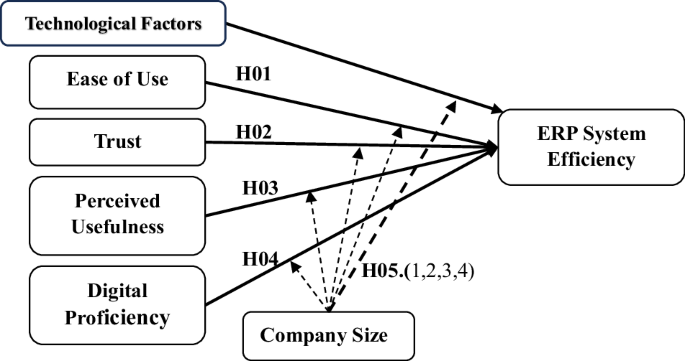


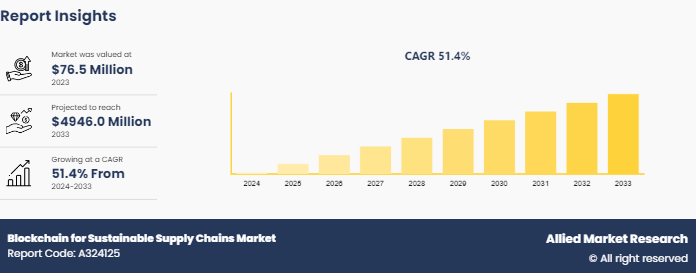
![Home – Duplicate – [#10]](https://newsletter.yanosgroup.com/wp-content/uploads/2023/07/home--duplicate--102.jpg)


 Confianz Global, Inc. North Carolina’s multi-award-winning ERP implementation company, announced that it has launched their Odoo-ShipStation Connector with advanced features. You can learn more about the